How to Get Around Alaska
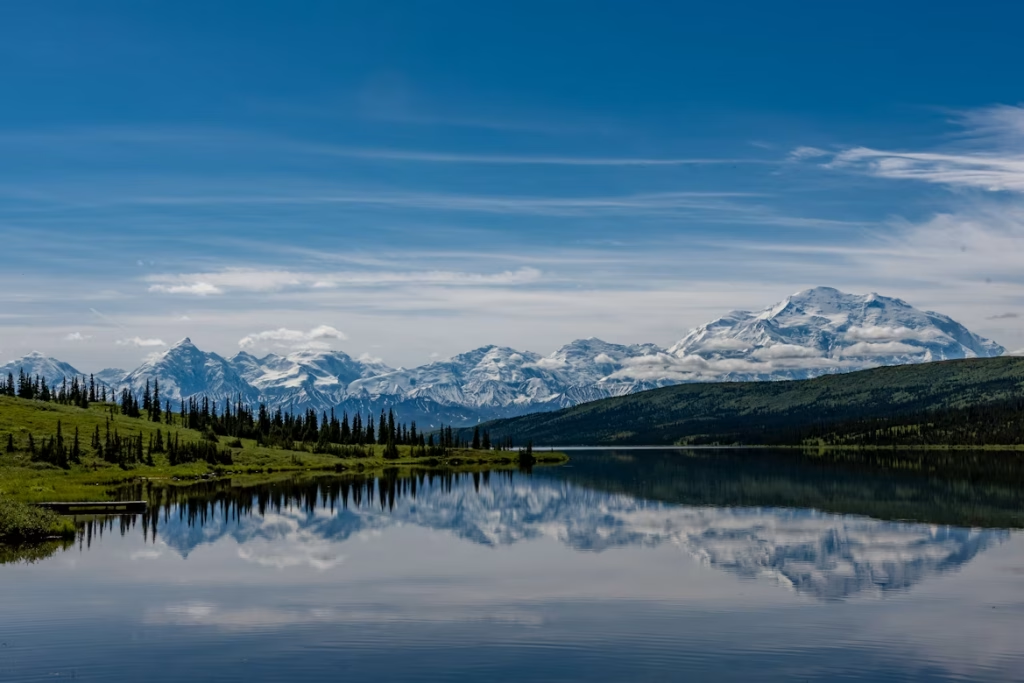
Alaska is one of those destinations where transportation is not just background logistics. It shapes the entire experience from the first day to the last. Choose the wrong option and you lose time backtracking, reshuffling reservations, or adjusting missed connections. Plan wisely and the trip feels smooth despite the state’s scale and geographic complexity.
There are many ways of getting around Alaska, and the right option depends on geography, timing, budget, and how much flexibility you want during the trip. This guide breaks transportation down by type and then explains how those options connect within realistic itineraries. If you are searching for how to get around Alaska or the best way to get around Alaska, the answer is rarely a single vehicle or universal formula. It is about selecting the right combination of transport tools for each region and for the way you personally prefer to travel.
Key Geography and Distances
Alaska is vast, but only part of it is connected by road. Southcentral and Interior regions are linked by highways, including Anchorage, the Kenai Peninsula, the Denali area, and Fairbanks. Most first-time visitors remain within this corridor because it provides the most accessible landscapes and the strongest infrastructure.
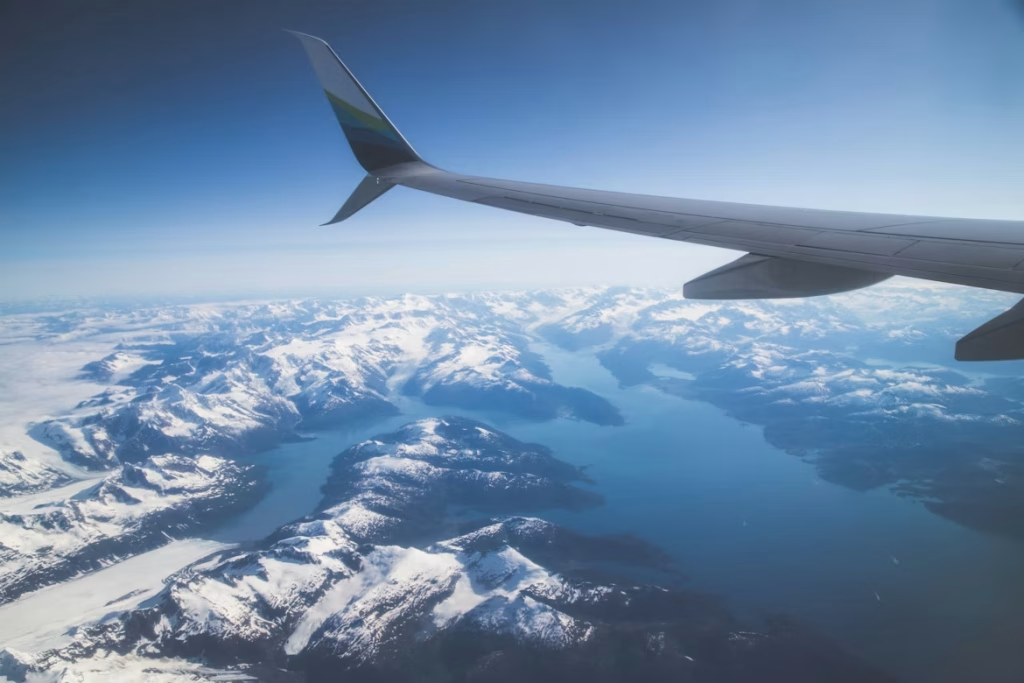
Southeast Alaska operates differently. Towns are separated by water and connected by ferries or flights rather than continuous highways. You cannot simply drive between Juneau and Ketchikan, for example. Western and Arctic communities often require air access because no road connects them to the main network. In these regions, flying is not a luxury but a practical necessity.
Distances are significant and require deliberate planning. Anchorage to Seward takes about 2.5 hours by car in good conditions. Anchorage to Denali takes roughly 4.5 to 5 hours. Anchorage to Fairbanks takes 6 to 7 hours. These are full driving segments that demand focus and breaks, not short transfers squeezed between activities.
Seasonality also shapes logistics. From mid-May through mid-September, services operate at full capacity. Outside that window, departures decrease, certain bus routes pause, and some tours shut down entirely. Planning around this seasonal rhythm becomes especially important when organizing transportation across Alaska.
Comparison of Ways to Get Around Alaska
Each transport type performs best in specific situations. The objective is to align your itinerary with what actually operates in that region rather than choosing based purely on habit or comfort.
Domestic Flights Within Alaska
When It Fits
- Traveling to communities with no road access
- Covering long stretches of the state in limited time
- Visiting western, Arctic, or remote regions
Pros
- Fast across the state
- Often the only viable option for reaching remote areas
- Saves multiple days compared to overland travel
Cons
- Higher cost compared to driving
- Weather-related delays, especially at smaller airports
- Baggage limits on smaller aircraft
Flights are particularly practical when they replace an entire day or more of surface travel, or when roads simply do not exist in that part of Alaska.
Trains
When It Fits
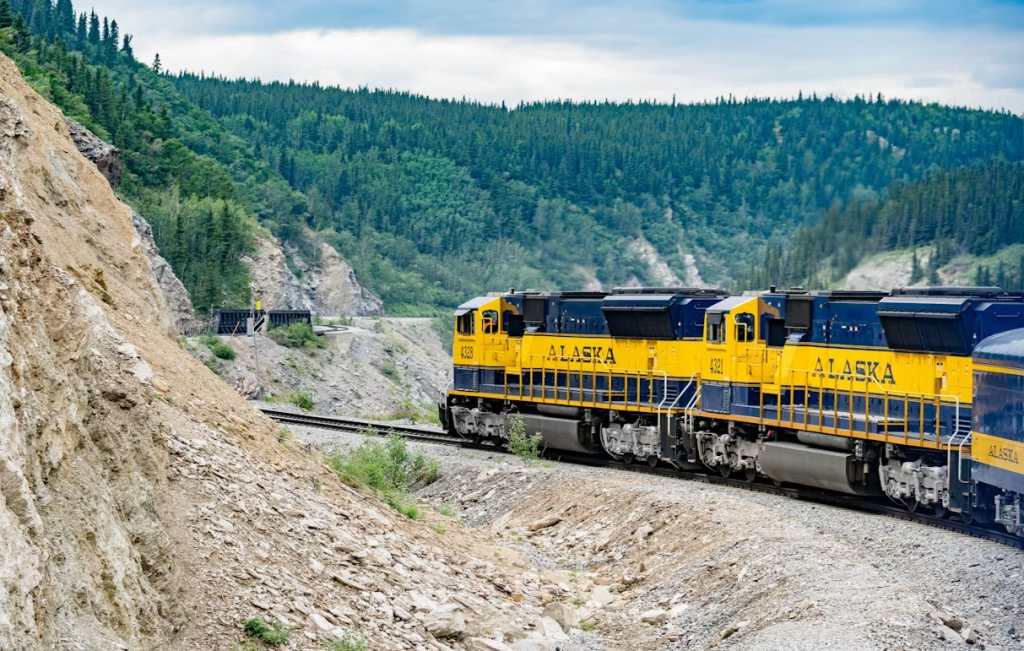
- Traveling between Anchorage, Talkeetna, the Denali area, and Fairbanks
- Preferring scenic travel without driving
- Planning a linear northbound or southbound route
Pros
- Comfortable seating and panoramic windows
- No driving fatigue
- Reliable station-to-station service
Cons
- Limited network coverage
- Premium pricing in peak summer
- Fewer departures outside peak months
Rail travel works best when overnight stops are arranged around station towns and local excursions fill the space between arrival and departure days.
Intercity Buses
When It Fits
- Budget-oriented travel
- Summer itineraries along main visitor routes
- Travelers comfortable with fixed departure times
Pros
- Lower cost than rail
- No rental car required
- Suitable for one-way trips without drop fees
Cons
- Often only one or two departures per day
- Fewer routes outside the main visitor season
- No flexibility for spontaneous scenic stops
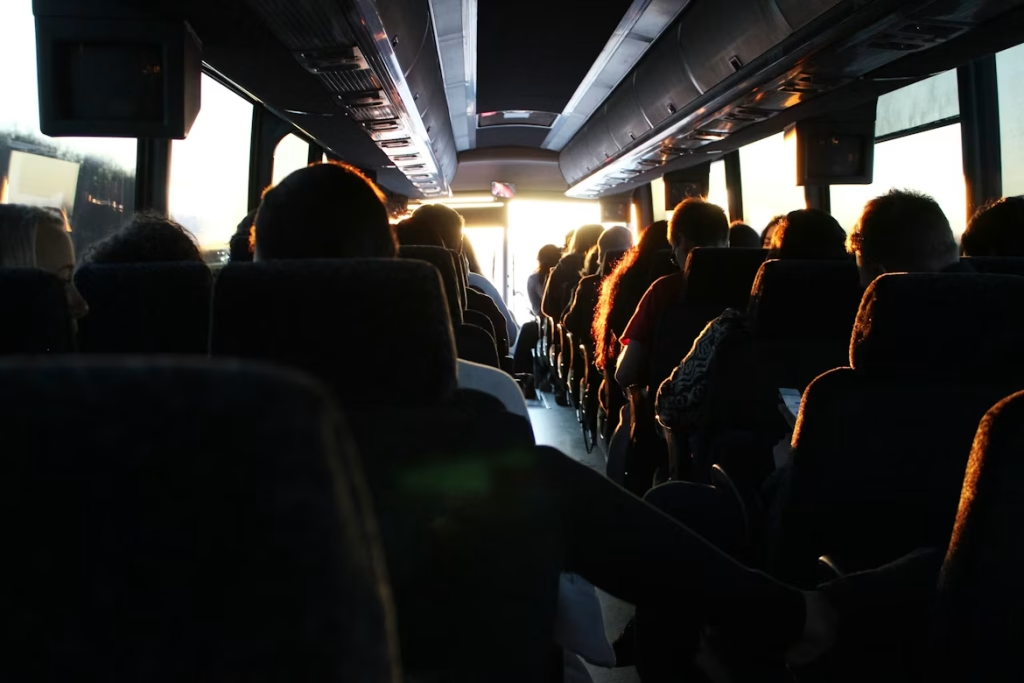
Bus travel works well if transfer days are treated as dedicated travel days rather than tightly scheduled sightseeing days.
Rental Car
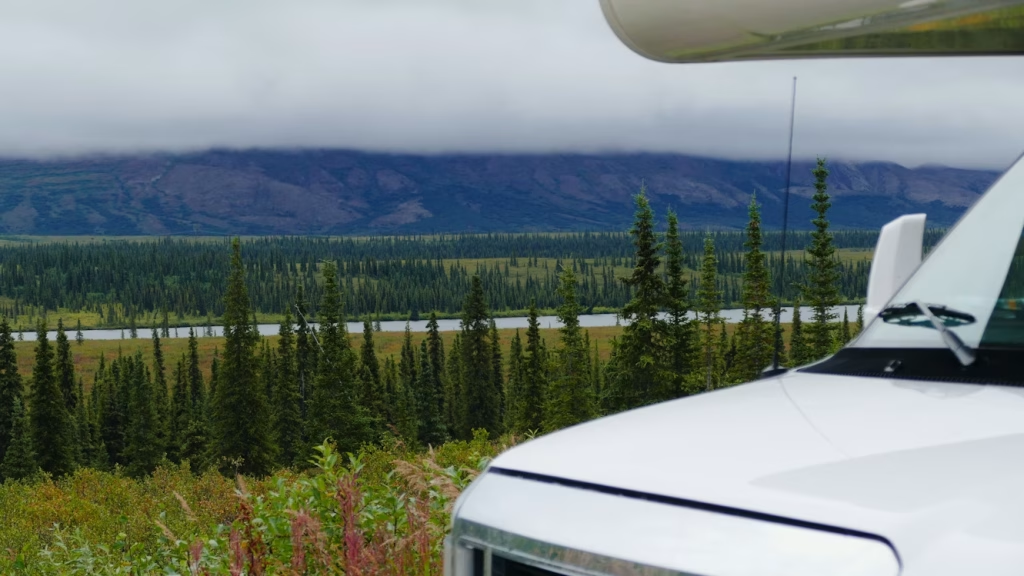
For many visitors staying within the road-connected regions, renting a car is one of the most flexible and time-efficient options for getting around Alaska.
When It Fits
- Multi-stop itineraries
- Wildlife viewing and trail access
- Families or small groups traveling together
Pros
- Full control over timing
- Freedom to stop at viewpoints and trailheads
- Easy adjustments if weather shifts
Cons
- Peak-season pricing
- Insurance considerations
- Long driving days require stamina and attention
A rental car is often regarded as the best way to get around Alaska on the main highway system because it removes dependence on set timetables and allows you to travel at your own pace.
Taxis and Ride-Hailing
When It Fits
- Airport transfers
- Short urban stays
Pros
- Convenient for short distances
- No parking concerns
Cons
- Expensive for regional travel
- Limited availability outside larger towns
Taxis are practical for short urban transfers but are not a solution for intercity transportation.
Tours and Transfers
When It Fits
- Short trips without a car
- Structured itineraries
- Park visits with restricted vehicle access
Pros
- Logistics handled for you
- Efficient, pre-arranged scheduling
- Professional guiding and interpretation
Cons
- Fixed departure times
- Reduced spontaneity
- Costs increase if used repeatedly
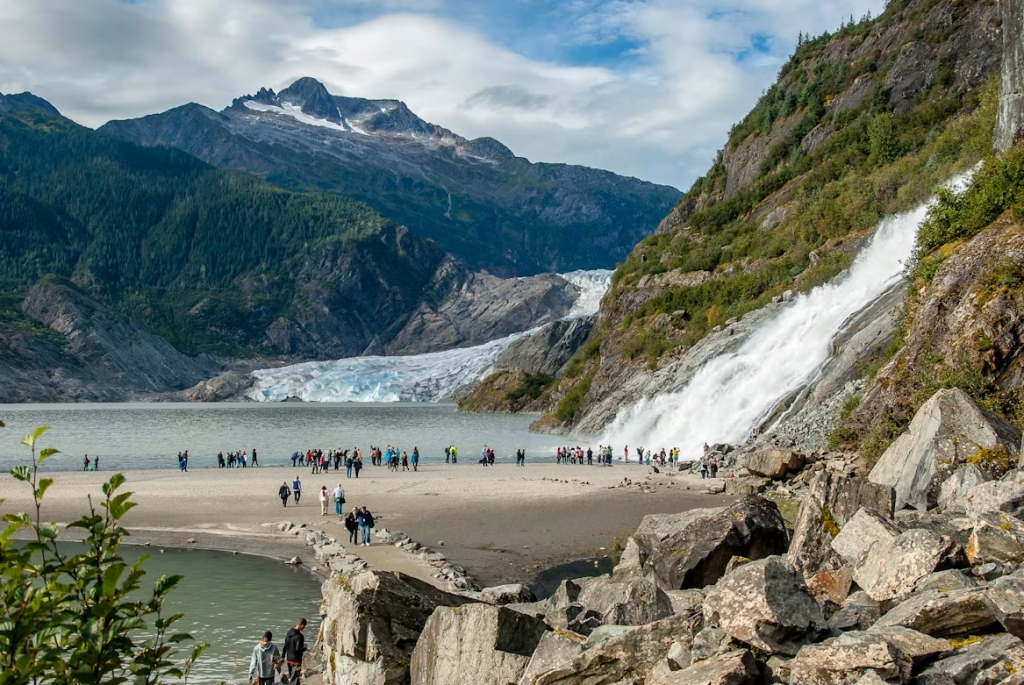
Tours can replace a rental car on short stays but limit flexibility in shaping your daily schedule.
Ferries and Boats
When It Fits
- Southeast Alaska itineraries
- Inter-island travel
- Coastal routes without highways
Pros
- Primary regional transport link
- Vehicle transport available
- Scenic coastal passages through fjords
Cons
- Weather disruptions
- Infrequent sailings on certain routes
- Vehicle reservations fill early in peak months
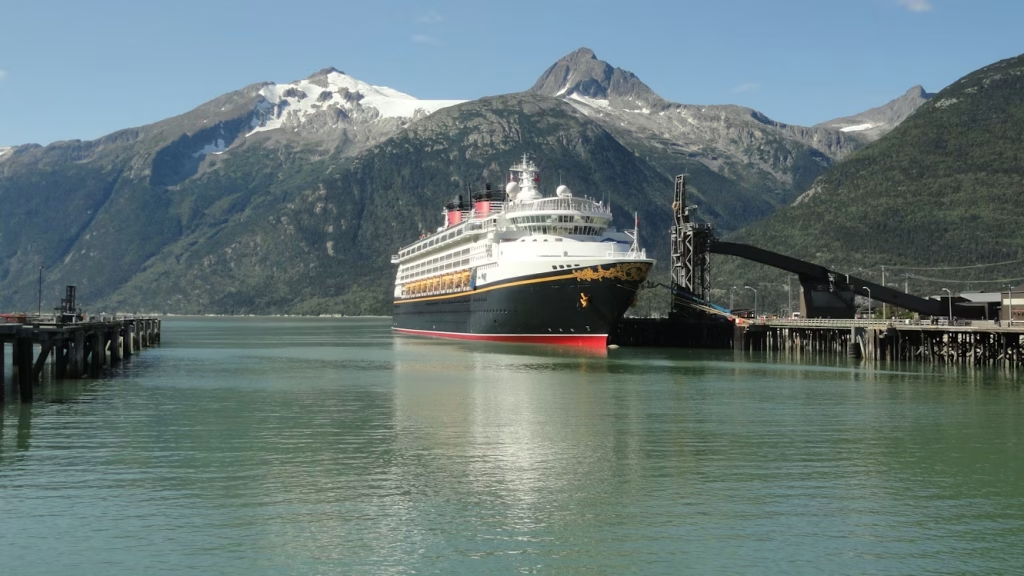
In Southeast Alaska, ferries function as core infrastructure rather than optional sightseeing cruises.
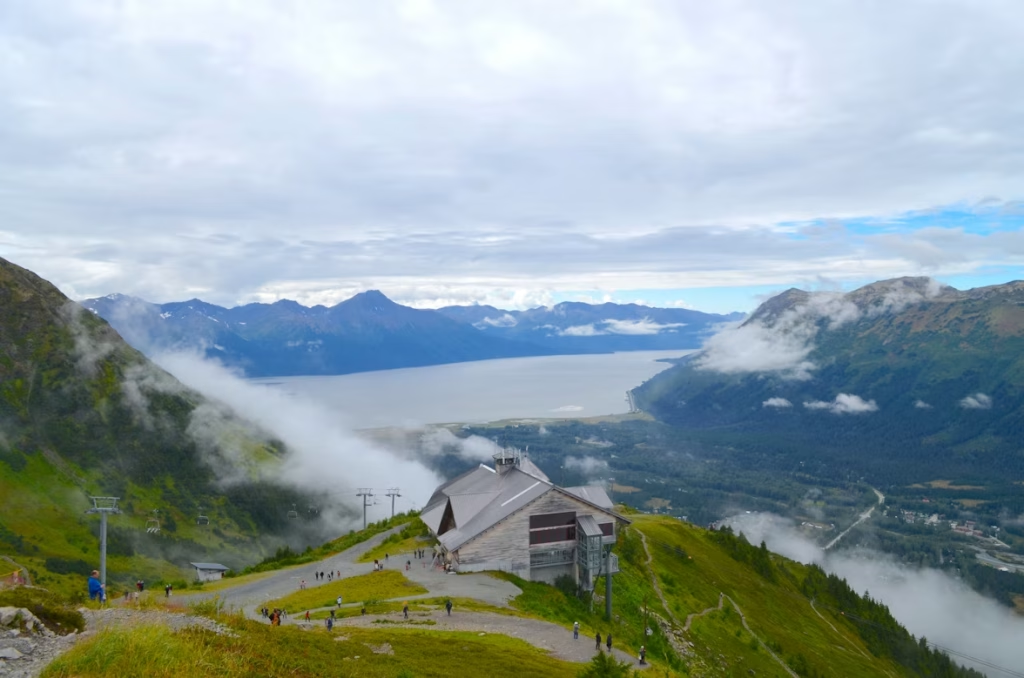
Gondolas, Ski Lifts, and Shuttle Buses
When It Fits
- Mountain areas
- National parks
- Managed access roads
Pros
- Organized visitor flow
- Reduced parking pressure
- Direct access to viewpoints and trail networks
Cons
- Operate primarily during peak visitor months
- Limited daily hours
- May require advance reservations
In some areas, shuttle systems are the only way to reach specific park roads or trailheads during busy periods.
Rental Car: Should You Get One?
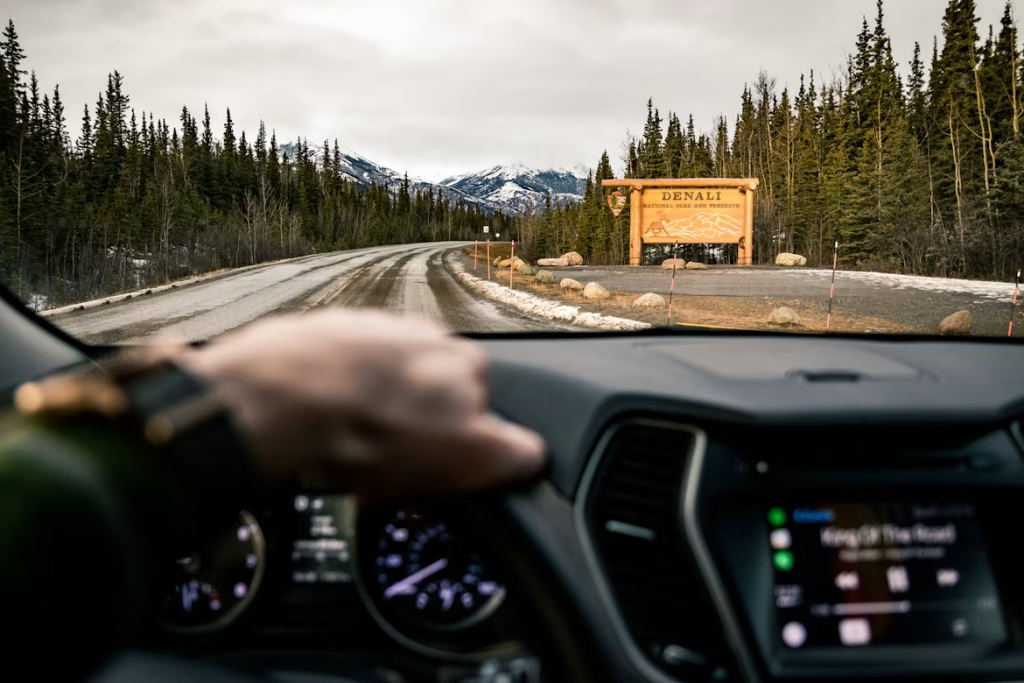
A car simplifies how to get around Alaska within the main road network, but only if the itinerary is realistic and not overloaded with long daily drives.
When It Is Inconvenient Without a Car
Multi-base routes such as Anchorage, Seward, Denali, and Fairbanks become complicated without private transport. Scenic pullouts, wildlife stops, and lesser-known trailheads rarely align with public transport schedules.
When You Can Skip It
Rail-based corridor trips work well without a car. Walkable Southeast towns combined with ferries and local tours also allow car-free travel if connections are planned carefully.
License, Age, Deposits, Insurance
To rent a car in Alaska, you need a valid driver’s license at the time of pickup. Most companies rent to drivers aged 21 and older, and those under 25 usually pay a higher daily rate. A credit card in the renter’s name is typically required, and a security amount is temporarily authorized when you collect the vehicle.
Collision coverage is recommended for peace of mind, especially given wildlife crossings, long distances between services, and occasional gravel construction zones.
Parking and Road Conditions
Toll roads are not common in Alaska. Wildlife can appear unexpectedly, particularly at dawn and dusk. Fuel stations can be spaced far apart, so refuel earlier than you might expect in remote stretches.
Vehicle Type
Compact cars work on paved highways. Mid-size vehicles offer better comfort for longer drives. SUVs suit families and gear-heavy trips. Four-wheel drive is not mandatory for classic summer routes but can provide additional confidence during shoulder seasons.
Public Transportation: How to Make It Work
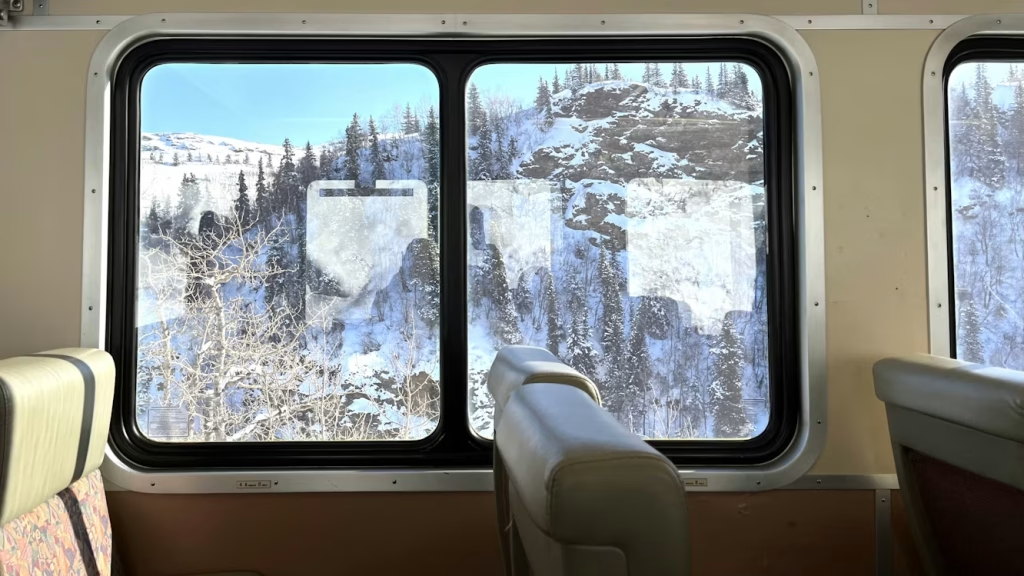
Public transport exists but functions on a more limited regional scale compared to dense metropolitan systems.
What Exists
City buses operate in Anchorage and Fairbanks. Seasonal intercity buses connect major visitor hubs. The rail corridor links key destinations. Park shuttles manage access in protected areas where private vehicles are restricted.
Buying Tickets
Online booking is safest in peak season. Confirm schedules close to departure dates. Keep digital tickets accessible offline in areas with weak coverage.
Passes
Rail passes make financial sense only for multiple long segments rather than single short rides.
Limitations
Evening departures are rare. Sunday schedules may be reduced. Seasonal routes may end operations earlier than visitors anticipate.
If you plan on getting around Alaska without a car, build your itinerary around confirmed schedules instead of assuming frequent departures.
Ferries and Inter-Island Travel
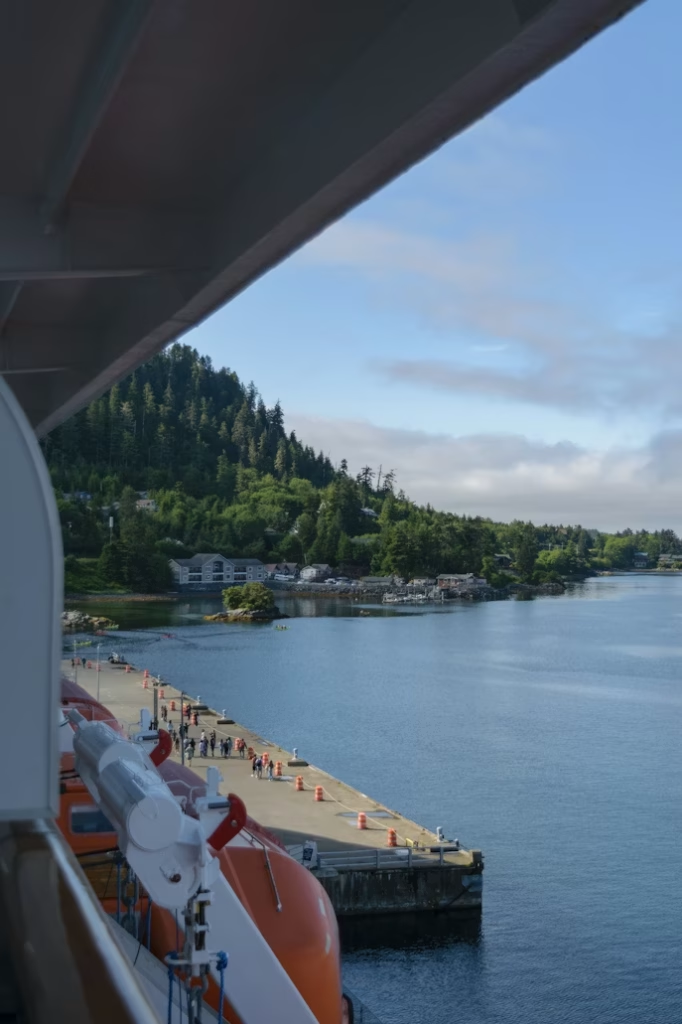
Coastal travel requires realistic scheduling and flexible connections.
Popular Directions
Common ferry-linked towns include Juneau, Ketchikan, Skagway, and Haines.
Booking Strategy
Reserve early in peak season, especially if traveling with a vehicle, since car spaces sell out quickly.
Vehicle and Luggage Rules
Vehicle size affects pricing categories. Pack essentials in a carry-on bag since access to your vehicle may be restricted during sailing.
Weather Considerations
Weather can affect departure times and arrival windows. Avoid scheduling tight onward connections immediately after ferry arrivals.
Mountain Areas and Seasonality
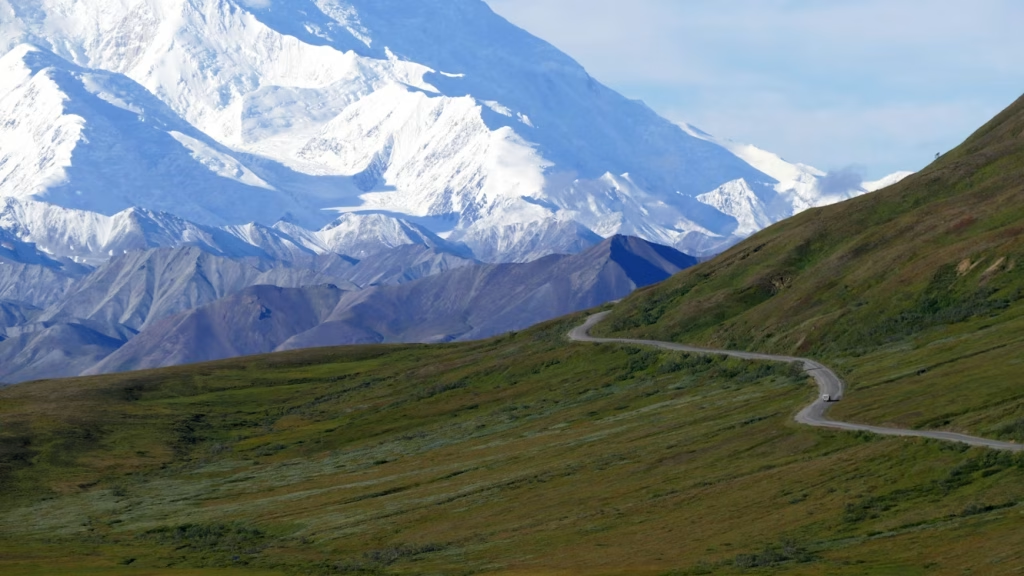
Mountain regions demand additional planning due to terrain and weather variability.
Access Systems
Some park roads restrict private vehicles and rely on shuttle systems during peak season to manage traffic flow.
Shoulder Season
Reduced daylight and fewer services can affect travel timing, particularly in spring and fall.
Checking Conditions
Review official schedules and weather forecasts close to departure dates, especially outside the main summer window.
Route Examples: Travel Time and Budget Logic
Scenario 1: 3-5 Days Without a Car
Who It Fits
Short visits, solo travelers, non-drivers
Base Structure
One primary base plus one rail stop
Transfer Time
Half-day rail segments
Highest Cost
Train tickets and guided activities
How to Save
Book early and travel midweek. Choose standard seating instead of premium upgrades unless panoramic service is part of your priority experience.
Approximate Budget Reality
In peak summer, rail tickets between Anchorage and Denali or Fairbanks typically range from $100 to $250 one way per person, depending on service class. Guided tours in Denali or Kenai Fjords commonly cost $120-$250 per person.
What Is Usually the Most Expensive
- Premium train service upgrades
- Full-day guided excursions
- Peak-season hotel rates near national parks, often $250-$400 per night for mid-range lodging
Because you are not renting a car, tour expenses effectively replace private transportation flexibility.
Scenario 2: 7-Day Road Trip
Who It Fits
- First-time visitors
- Couples or families
- Travelers who value flexibility
Base Structure
Two or three bases to avoid constant packing
Driving Time
Two to four hours per transfer day, with scenic stops built in
Highest Cost
Rental car and peak-season lodging
How to Save
Reserve vehicles early, compare airport and city pickup locations, and choose a practical vehicle size rather than automatically upgrading to a large SUV.
Approximate Budget Reality
Summer rental cars in Alaska commonly range from $90 to $180 per day for mid-size vehicles. SUVs can exceed $200-$250 per day in July. Fuel costs vary by route, but gasoline prices are typically higher than the US average. Mid-range accommodations during peak season often range from $200 to $350 per night, with higher rates in Seward and near Denali.
What Is Usually the Most Expensive
- Rental car, especially SUVs in peak season
- Lodging near major parks
In many cases, accommodation expenses will exceed the total vehicle cost over a full week.
Scenario 3: Southeast Ferry Trip
Who It Fits
- Coastal-focused travelers
- Visitors interested in maritime landscapes
- Travelers comfortable with fixed sailing schedules
Base Structure
Two or three towns rather than multiple short stops
Transfer Time
Half-day or full-day ferry segments depending on route
Highest Cost
Ferry tickets with vehicle and waterfront accommodations
How to Save
Travel without a car when towns are walkable. Compare ferry costs versus short regional flights if time is limited.
Approximate Budget Reality
Passenger ferry tickets often range from $50 to $120 per segment, depending on distance. Bringing a vehicle significantly increases cost, often adding $150-$300 per segment. Short regional flights between Southeast towns can range from $150 to $300 one way. Waterfront accommodations in summer frequently range from $250 to $450 per night.
What Is Usually the Most Expensive
- Vehicle ferry transport
- Peak-season lodging
- Last-minute regional flights
Scenario 4: 10-14 Days Hybrid
Who It Fits
- Travelers wanting broader coverage
- Visitors combining road and rail
- Those with more flexible timelines
Base Structure
Road-connected region plus rail corridor
Transfer Logic
Car for flexibility, train for scenic corridor, flight to avoid unnecessary backtracking
Highest Cost
Internal flight and extended car rental
How to Save
Compare one-way rental costs versus returning to the original airport. Consider multi-city flight tickets to reduce redundant travel.
Approximate Budget Reality
Internal Alaska flights typically range from $150 to $400 one way. One-way rental car drop fees may add $100-$300. Rail segments range from $100 to $250 per person. Two weeks of mid-range accommodation in peak season can easily exceed $3,000-$5,000 total.
What Is Usually the Most Expensive
- Extended lodging stays
- One-way vehicle rentals
- Combined flight and rail upgrades
Useful Apps and Final Checks
Download offline maps before entering areas with limited signal. Save fuel stations and trailheads in advance.
Verify transport schedules directly with operators rather than relying on aggregated platforms. Seasonal changes can affect departure times.
Book tickets with official providers whenever possible. Direct booking simplifies adjustments if plans shift.
Monitor weather updates in the days before travel, particularly for ferry segments, mountain drives, and small regional flights.
Conclusion
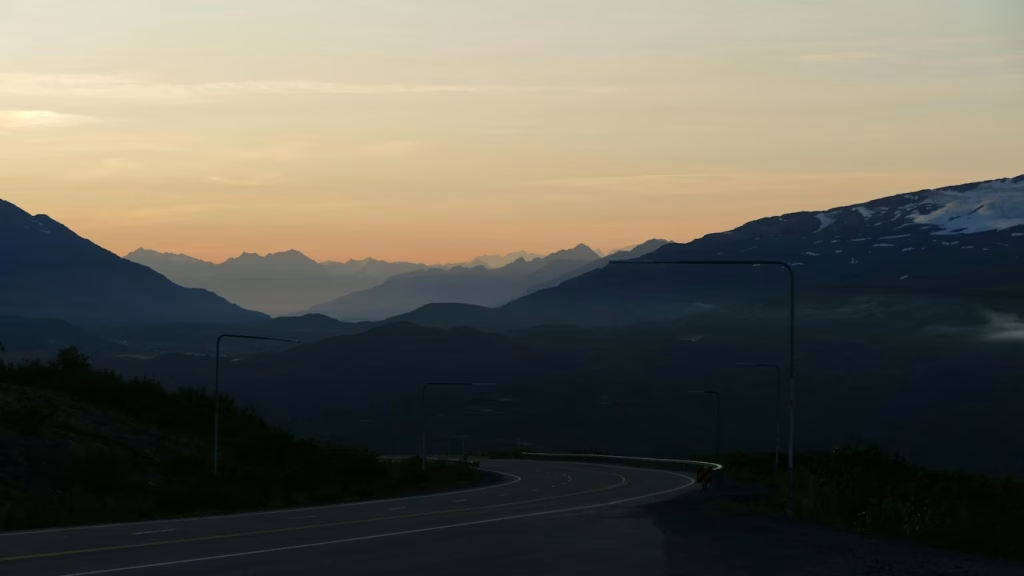
Getting around Alaska successfully means choosing transportation based on geography, distance, and season rather than habit. The main highway system favors rental cars for flexibility. The rail corridor offers a relaxed and scenic alternative. Southeast Alaska relies heavily on ferries as part of its core infrastructure. Remote regions depend on air access.
The best way to get around Alaska is rarely a single fixed formula that works for every itinerary. It is a combination of tools selected according to your route, time frame, and comfort level. When transport decisions align with geography and seasonal realities, the scale of Alaska becomes manageable and the journey feels intentional rather than chaotic.