Best beaches in Guimaras
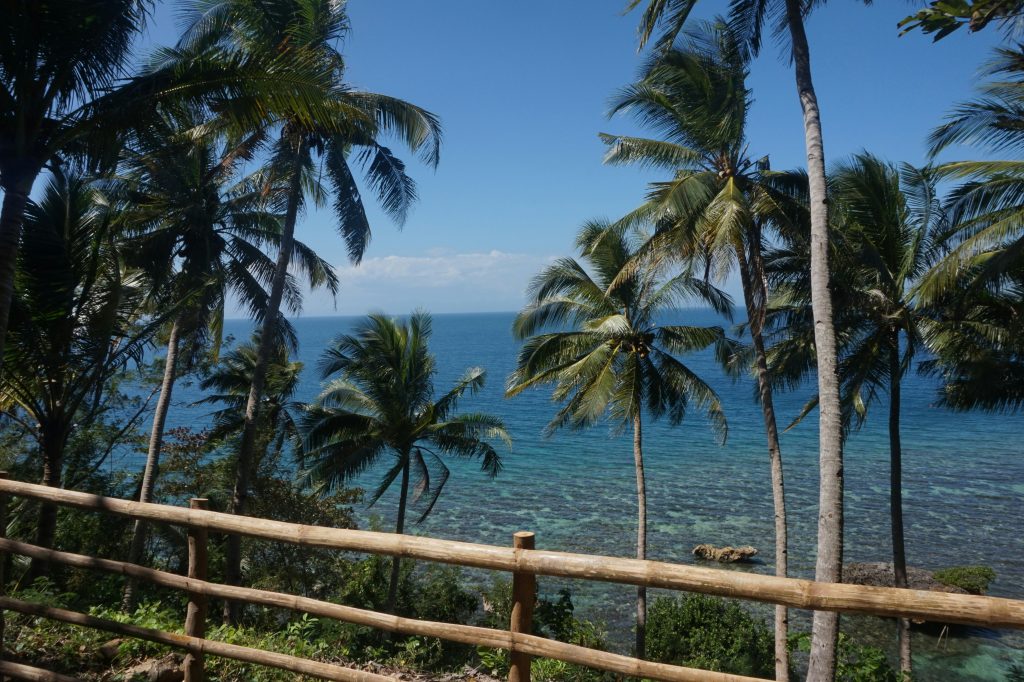
Guimaras is a small island opposite Iloilo, easy to escape to for beaches even for 1-2 days: the sea crossing is short, and the main beach spots can be combined into one route without long travel times.
Next, we’ll break down which beaches on Guimaras are truly worth seeing in person, how convenient it is to get to them, and how much time to plan for each stop. Separately, we’ll cover the island’s basic logistics and practical details so your trip feels smooth and unhurried.
Beaches in Guimaras Island: what to prioritize first
Best all-around beach:
Alubihod Beach (Nueva Valencia) — the most convenient, universal choice: there’s accommodation and food nearby, and it’s the easiest place to start from if you want to get out on the water. This is also where many people do a short island-hopping trip to the nearby islets — it works well because you don’t have to spend half the day just getting around.
Nicest white sand:
Natago Beach (Jordan) — light-colored sand, calm water, and a quiet lagoon feel. At low tide, the shoreline usually gets wider and the beach looks especially “open” — great for a walk and crowd-free photos.
Best for swimming straight from the shore:
Alubihod Beach — an easy entry into the water and a simple “arrive → swim” setup, with no boats or transfers needed. It’s also the easiest place to do that “quick swim in between plans”: you stop by for an hour, and it actually works because the infrastructure is right there.
Best for snorkeling:
Taklong Island National Marine Reserve — people come here specifically for marine nature; it’s easiest to plan as part of an island-hopping trip. In good weather, the water can be noticeably clearer than at the popular beaches, and there’s more going on underwater — so it feels less like “a beach” and more like a mini-adventure.
Most scenic sunset:
Guisi Beach + Guisi Lighthouse (Nueva Valencia) — an open horizon and a great lighthouse vibe. Even if you don’t swim, it’s a perfect evening stop: come for golden hour, sit by the shore, and watch the sea darken.
If you only have one day:
Alubihod + a short island-hopping trip — fast, packed, and without the feeling that logistics ate half your day. This plan works because you can both get a proper swim in and still see the islets/sea without overloading your schedule.
Where to base yourself to move between beaches?
- For island hopping and the southern spots: Nueva Valencia (around Alubihod)
- To cover the north and trips to Natago / Tatlong Pulo more easily: Jordan
Best beaches in Guimaras
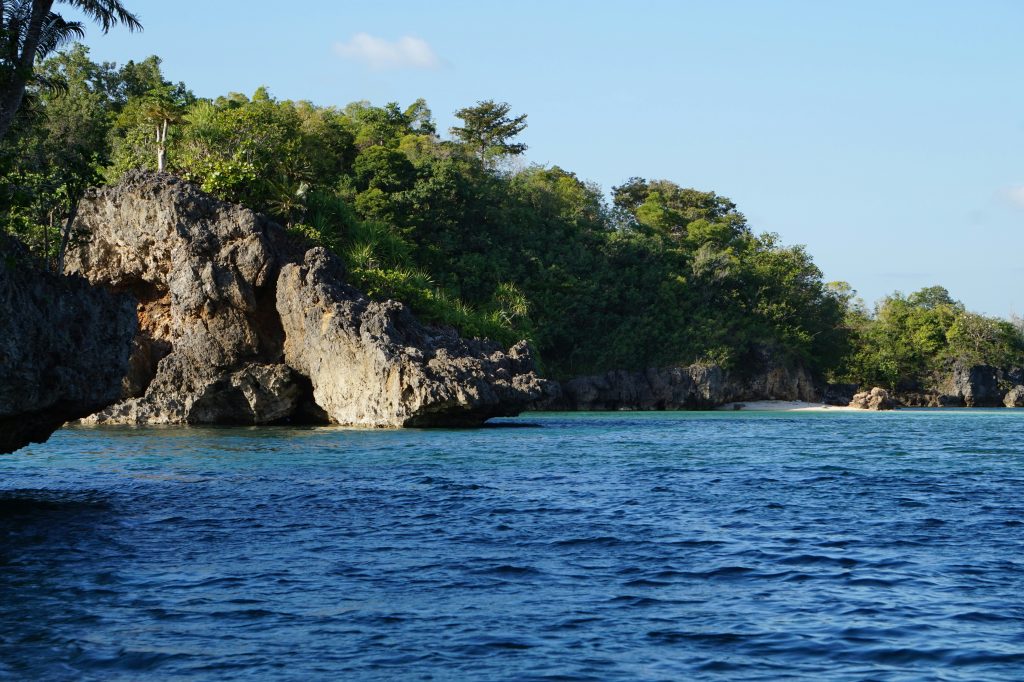
1. Alubihod Beach
Location: Nueva Valencia
Why go: the most “universal” beach for a first visit, and a convenient starting point for boats/islets.
Shore & water: a bay — usually calmer and more comfortable for regular swimming.
Facilities: several resorts nearby; cafés/a small shop, plus boat and cottage rentals.
How to get there: from Jordan Wharf, travel inland by tricycle/transfer to the beach area.
How much time to plan: 2-3 hours for the beach; half a day if you add island hopping.
Note: it gets busier mid-day — better to arrive early.
2. Guisi Beach
Location: Nueva Valencia (Dolores area)
Why go: a mix of beach time and an atmospheric lighthouse spot — great if you want the sea plus views/photos.
Shore & water: white sand, but you’ll see stones along the shore; the beach is more exposed to wind.
Facilities: more of a walk-and-visit location — expect a basic setup.
How to get there: overland from the port (about 30-45 minutes by minivan/transfer to the area).
How much time to plan: 2-3 hours (beach + lighthouse).
Note: stones at the waterline — water shoes can help.
3. Tatlong Pulo Beach
Location: Jordan
Why go: one of the most “vibey” places in Guimaras — mainly for the view of three islets/rocks and a wilder-coast feel.
Shore & water: white sand; swimming usually depends on sea conditions (it’s not a sheltered bay).
Facilities: resort/day-visit format; simple shelters/cottages available.
How to get there: by land from Jordan Wharf (then an overland transfer to the beach area).
How much time to plan: half a day (travel + beach).
Note: a small entrance fee is often mentioned: around ₱50 (Philippine pesos) — roughly $0.88 and up, depending on current rules/entry point.
4. Natago Beach
Location: Jordan
Why go: quiet and relaxed — good if you just want to swim and lounge without much going on around you.
Shore & water: lagoon-like; often praised for clean, clear water.
Facilities: usually a resort-style beach (amenities depend on the resort/day-use setup).
How to get there: by land, or as a stop on some boat itineraries (depending on the program).
How much time to plan: 1.5-3 hours for a day visit (or overnight).
Note: not ideal for activities and cafés — bring water and a snack.
5. Ave Maria Islet
Location: off the coast of Jordan
Why go: a quick “wow” stop” for white sand and turquoise water — perfect if you want that postcard look.
Shore & water: shallow water and bright sand; easy for a fast swim.
Facilities: basically none (an islet stop).
How to get there: by boat as part of island hopping.
How much time to plan: 45-90 minutes.
Note: almost no shade — sunscreen and a hat are a must.
6. Turtle Island
Location: near the islets on the island-hopping route
Why go: a “bonus stop” to add variety on the water — often chosen for an easy swim and a few minutes with a mask.
Shore & water: partly rocky; water is usually fine for quick snorkeling.
Facilities: none.
How to get there: by boat.
How much time to plan: 30-60 minutes.
Note: better with water shoes — rocks/uneven ground near the shoreline.
7. Taklong Island National Marine Reserve
Location: Nueva Valencia (marine protected area)
Why go: the best pick if you’re coming to Guimaras specifically for snorkeling/marine life.
Shore & water: not a single beach — more like a set of islets/lagoon stops; conditions vary a lot by stop and weather.
Facilities: limited (reserve/tour format).
How to get there: by boat (usually easiest to start from the Nueva Valencia area).
How much time to plan: half a day.
Note: if comfort matters, bring your own mask/snorkel — it’s easier to control gear quality.
8. Baras Beach
Location: Jordan
Why go: a “resort beach” option — great for a relaxed day without extra transfers, if you want everything on-site.
Shore & water: coral/rocky edge — swimming is more comfortable with footwear.
Facilities: resort amenities (on property).
How to get there: overland to the resort area.
How much time to plan: 2-4 hours or overnight.
Note: check day-use rules/access in advance — resort beach formats often change.
9. Villa Igang Beach
Location: Guimaras (resort area; usually linked to Nueva Valencia)
Why go: a calm place for a reset and an overnight by the sea — less about “must-see sights,” more about quiet.
Shore & water: at low tide, a coral/rocky section may be exposed — plan swimming closer to high tide.
Facilities: resort amenities (on property).
How to get there: overland to the resort zone.
How much time to plan: 2-3 hours for a visit or overnight.
Note: if you have sensitive feet, water shoes are a good idea.
Best time for beaches
If your goal is swimming, doing island hopping, and not being at the mercy of unpredictable sea conditions, it’s usually more comfortable to come in the dry season — roughly December to May. December-February tends to be cooler and drier, while the hotter period is March-May. During these months, beach plans are simply easier to pull off without constant rescheduling.
The period from June to November is usually more humid and more “uneven” weather-wise: rain is more frequent, the sea can be less calm, and boat trips and snorkeling depend much more on the conditions on a given day. There is a plus, though — fewer crowds and greener landscapes. But for beaches the logic is straightforward: in the rainy months, it’s better to build in backup land-based plans and not base the whole trip only around the sea.
How to get there and how to move between Guimaras beaches
1. How people usually handle getting to the island
The most common scenario is to arrive in Iloilo City, get to the city pier (Ortiz / Parola Wharf), and then take a boat/ferry to Jordan. The crossing itself is short — around 15-20 minutes.
2. Getting around Guimaras: what’s actually convenient
On the island, most travelers combine tricycles with public transport (jeepney/multicab):
- Tricycle / private transfer — the most practical option if you want to fit in several beaches. Getting to key areas like Nueva Valencia (Alubihod) usually takes about 20-45 minutes from Jordan Wharf (the range depends on your exact start point and stops).
- Jeepney / multicab — cheaper, but less predictable in terms of waiting time and routes. It works if you’re not in a rush and you’re only planning 1-2 spots per day.
How to plan a day without losing time: think in “clusters” — group nearby beaches into one route instead of constantly crossing the whole island back and forth.
3. Two clear “clusters” to build your route around
Cluster A: the south + sea stops (Nueva Valencia / Alubihod)
This is the best choice if you want island hopping and quick stops on small islets. Alubihod is often mentioned as the main starting point for boat routes.
A convenient flow looks like this:
- arrive at Alubihod in the morning →
- boat trip with 3-5 stops (Ave Maria / Turtle / Natago / Lamurawan, etc. — the exact set depends on your boatman/tour) →
- leave your evening for a “land beach” swim or transfer to a sunset spot (for example, Guisi).
Cluster B: northern beaches (Jordan and nearby)
Here it makes sense to focus on Tatlong Pulo and nearby spots: you’re less dependent on the sea, and overland logistics from Jordan are simpler.
A convenient flow looks like this:
- leave Jordan early →
- Tatlong Pulo as your anchor stop →
- use the second half of the day for a calmer beach/resort in the same direction.
4. Car/bike rental: do you need it?
If you only have 1-2 days and want a low-stress setup, a tricycle + boat is usually enough. Renting a scooter/car makes sense if you plan to start early, cover a lot of ground, and prefer full independence from drivers.
Where to stay in Guimaras
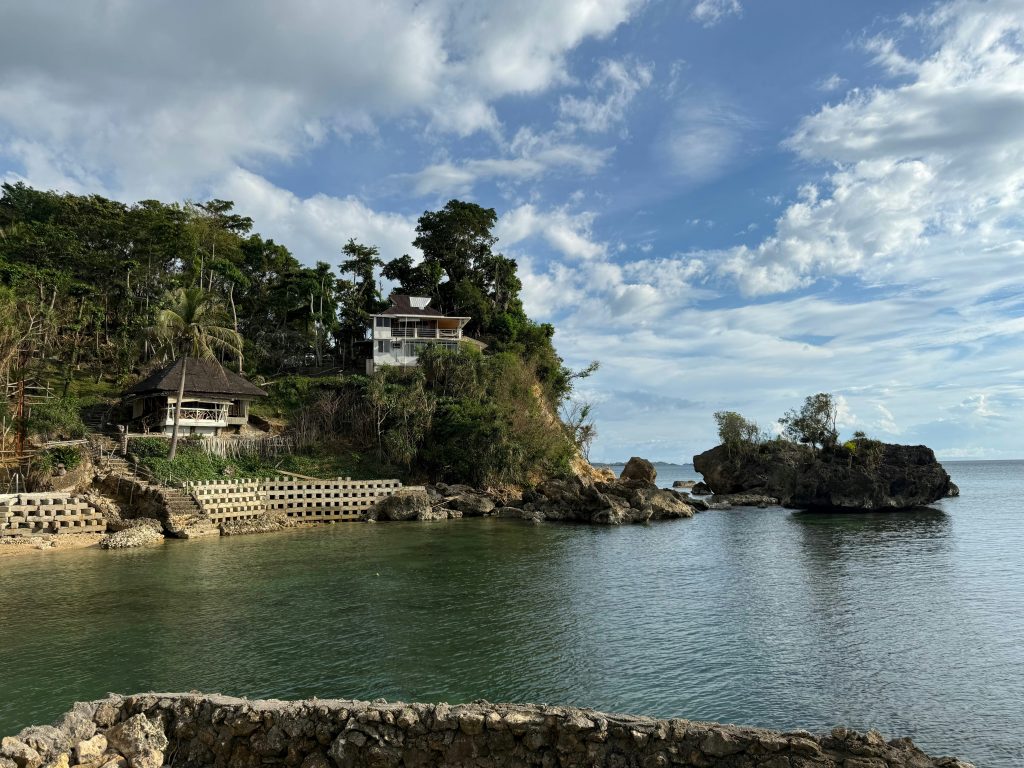
1. Nueva Valencia (Alubihod area)
The best choice if you’re planning island hopping and want to stay close to the main boat starting point: many guides and notes explicitly call Nueva Valencia / Alubihod the key jump-off point for sea routes.
Best if: you’re spending 1-3 beach days, planning island hopping, and want to board a boat without early, time-consuming transfers.
2. Jordan (near Jordan Wharf)
The most practical base if you’re coming for a short visit: you’re close to the port, it’s easier to arrange transport on arrival, and it’s simple to fit Guimaras into an Iloilo-based itinerary. Jordan also has accommodation options that are specifically geared toward being near the wharf.
Best if: you’re here for one day / a weekend, want the port nearby, and need an easy arrival/departure.
3. San Lorenzo
This base is chosen less for “jumping on a boat right away” and more for a slower pace and the feeling that you’re not staying in the main tourist hub. Beach plans are still possible from here, but usually mean more moving around.
Best if: you want it quieter and don’t mind extra transfers.
Practical tips

- Plan your day by areas.
Guimaras works best in clusters: Nueva Valencia/Alubihod (beach + boat) on one day, and Jordan + the north (Tatlong Pulo and nearby spots) on another. This way you spend less time on the road.
- Start early if you want it quieter and the light softer.
Mornings are easier for both photos and swimming: fewer people, less heat, and a calmer feel at the popular places.
- Water shoes are almost a must-have.
Many spots have rocks, coral edges, or an uneven entry (especially on islets and resort beaches). With water shoes, you’re not tied to finding the “perfect” place to step in.
- Sunscreen and a hat matter more than you think.
Small islets and open beaches often have little shade, and on the water the sun feels stronger because of reflection.
- Bring cash and extra water.
Some locations have minimal facilities — there might be a simple kiosk, or nothing at all. Cash helps for entrance fees, boats, tricycles, and small purchases.
- For island hopping, keep a dry set ready.
A waterproof pouch/dry bag for your phone, plus a dry T-shirt and a towel.
- Read the sea “in real time,” not just on paper.
Wind and waves affect the experience more than you’d expect. If an open shoreline feels rough, it’s often better to switch swimming to a calmer bay or shift the focus to views/the lighthouse.
- Follow the rules.
In marine areas and protected zones, don’t touch corals, don’t step on “living” sections, and don’t feed fish. Take your trash with you — on small stops there’s often no one to clean up.
- Don’t overload the route.
It’s better to do one beach + one boat trip than to try to cover everything. The island is small, but travel time and transport waiting can easily eat up half the day.
Final thoughts
For a first introduction to Guimaras, three stops are usually enough: Alubihod (the most convenient beach and the main starting point for boats), a short island-hopping trip to the nearby islets, and Guisi for the views and sunset.
To avoid overloading your day, build the route in blocks: start with the sea part (Alubihod + the boat), and keep the overland section separate (Guisi or Tatlong Pulo). This way, Guimaras Island feels less like a race from spot to spot and more like a relaxed beach escape with straightforward logistics.