Amsterdam on a budget
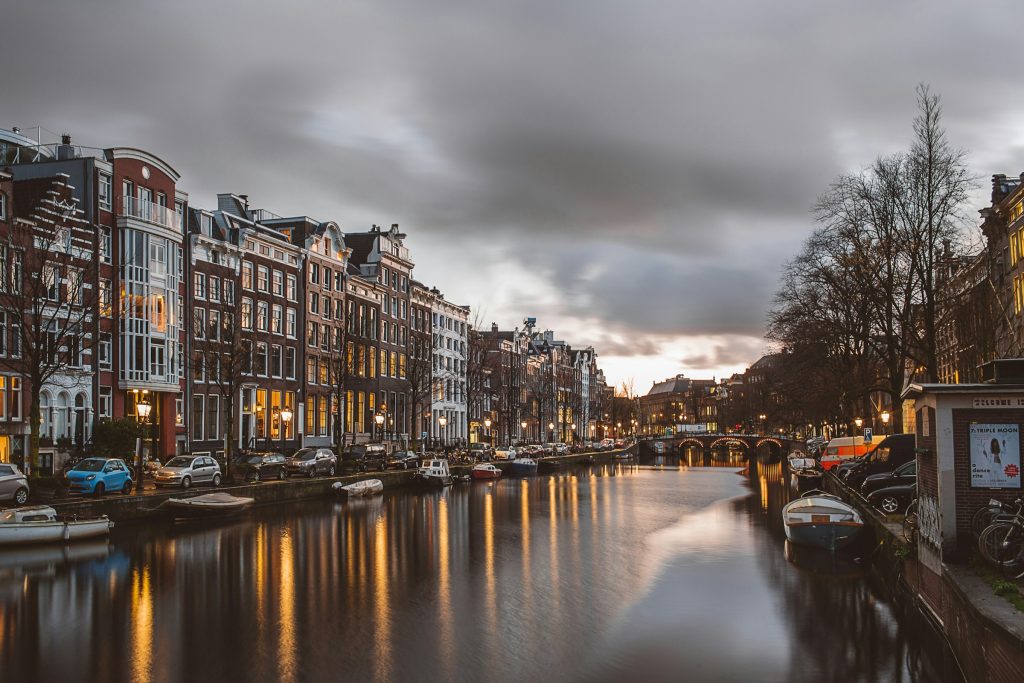
Amsterdam can easily seem like a “too expensive” city, especially because of accommodation prices and the high tourist tax: in 2026, the city applies a tourist tax of 12.5% of the overnight stay price excluding VAT, so accommodation is usually the part that inflates the trip budget the most.
But Amsterdam on a budget is a very realistic scenario if you understand in advance where saving money actually works: the area you stay in, the type of transport you use, food choices, and the way you buy museum and activity tickets. Let’s look at how to visit Amsterdam on a budget without the feeling of “cutting back on everything”: how much you really need per day, where not to overpay, and which ready-made budget plans for 1-3 days work best in the city.
Amsterdam Budget Cheat Sheet: Daily Costs, Areas, and Easy Ways to Save
- Real daily budget: around €90-140 per person in a budget format and €160-230+ in a more relaxed mid-range one. For Amsterdam, this is a realistic benchmark without pretending the city will feel “cheap.”
- Where the biggest savings are: first of all, on accommodation. This is what inflates the budget the most, especially if you stay too close to the postcard views and tourist-heavy streets.
- Best areas for budget-friendly stays: Amsterdam Noord, Oud-West, De Pijp, Bos en Lommer / De Baarsjes. These are usually the most practical options if you want a balance of price, transport, and a normal city atmosphere.
- Best way to get around: in most cases, the best combination is walking + public transport. A bike can be convenient, but it is not for everyone; for a short trip, day and multi-day transport passes are usually the more practical option.
- How to see attractions more cheaply: do not book everything at once. If you only have 1-2 paid sights, separate tickets are usually cheaper, while a city pass only makes sense with a packed itinerary.
- Where to save on food: bakeries, sandwich bars, takeaway spots, simple cafés outside the tourist streets, and markets like Albert Cuypmarkt. In Amsterdam, saving on food works better through the right format, not by choosing “the absolute cheapest” option every time.
- 3 free or very cheap activities: walks along the canals and through the old districts, the free ferry to Amsterdam Noord, and the Rijksmuseum gardens.
- A typical mistake that makes tourists overpay: staying in the most touristy part of the center, taking taxis where you could easily walk or use a tram, and buying tickets to popular places at the last minute.
What a Trip Really Costs
If you break the trip down by spending level, budget Amsterdam is usually the scenario where you stay outside the most expensive part of the city, choose a hostel, room, or simple hotel, walk a lot, avoid relying on taxis, and pick paid attractions selectively rather than one after another. In that format, daily spending usually stays within the lower range. It is not “cheap” in an absolute sense, but for Amsterdam, this level can be seen as a workable minimum without feeling like you are sacrificing everything.
The mid-range level begins where the trip becomes noticeably more comfortable: a better location, a private room, more cafés, more paid museums, and less control over spontaneous spending. This is exactly the point where the Amsterdam budget starts rising especially fast. The main factor here is accommodation, because high overnight prices are further increased by the city tourist tax. After lodging, museums, tours, and other paid activities usually begin adding up the most, especially if the route is not planned in advance. Against that background, transport and food usually do not look like the heaviest part of the budget — as long as you do not switch to taxis and do not eat only in tourist-heavy places.
Where to Stay on a Budget
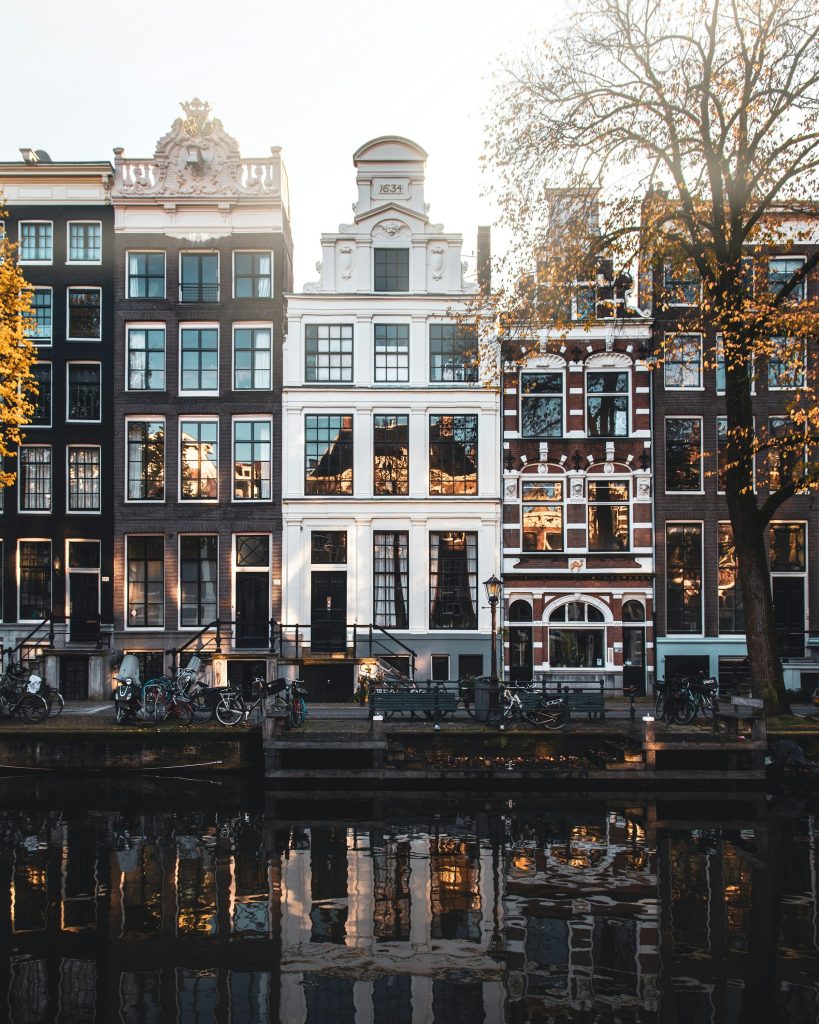
In Amsterdam, saving on accommodation almost always has a bigger impact than trying to cut costs on food or transport, so choosing the right area matters a lot. One of the most practical options for a budget trip is Amsterdam Noord. It works well for travelers who do not want to overpay for the center but still want to stay conveniently connected to the city. Transport here is better than it may look on the map: the area is linked to the center by free ferries across the IJ, and some parts also benefit from metro access. In most cases, Noord is better value than the historic center, and it works especially well for people who do not mind staying outside the postcard views and crowds.
De Pijp is more often chosen by people who want a livelier area with a good atmosphere, markets, cafés, and convenient city logistics. It is also well connected in transport terms: the district has solid links to other parts of the city, and some routes are easy to do on foot. In terms of price, De Pijp can vary: it is usually still more affordable than the most overheated tourist zones, but the more “trendy” places here can cost more than you might expect from a location that is not formally central.
If the priority is to reduce costs more seriously, it is worth looking at Bos en Lommer and De Baarsjes. These areas suit travelers who are willing to stay a bit farther from postcard Amsterdam in exchange for a more reasonable price. Transport is usually fine here thanks to tram and bus connections, and getting to the center does not feel like a problem. In terms of cost, this is often a more workable option for people who really want to keep the budget under control, not just “stay slightly outside.”
The logic by accommodation type is simple. A hostel is the most budget-friendly option if you just need a base for the night and are comfortable with shared spaces. A room or private room is a good compromise if you want to save money but do not want to share a bedroom with other people. A budget hotel suits those who care more about privacy and a straightforward format, even if the price is higher. An apartment is often better value for a stay of several days or for a trip for two or three people, especially if you plan to cook some meals yourself and save money on food as well.
When booking in Amsterdam, a few simple rules usually work best:
- do not get fixated on the very center, and look at areas outside the postcard core from the start;
- always compare the final price, not just the nightly rate before taxes and fees;
- book early, because good budget options in the city go quickly;
- check not only the address, but also the actual connection to tram, metro, or ferry;
- read reviews carefully for noise, stairs, and room size — in Amsterdam, these things really affect the experience;
- check what exactly is included in the price instead of relying only on the base nightly rate;
- do not choose accommodation based only on a pretty point on the map: sometimes a difference of 10-15 minutes can lead to noticeable savings across the whole trip.
Transport and Getting Around
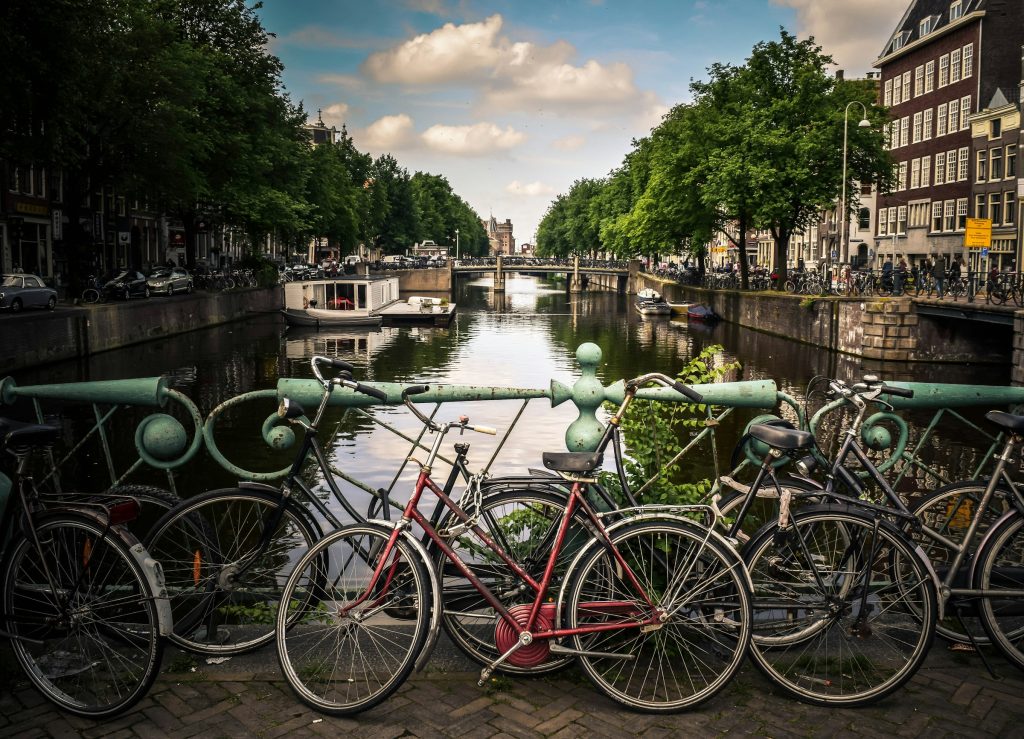
In Amsterdam itself, the combination that usually works best is walking + public transport. The historic center is compact, many routes between districts are easy to cover on foot, and trams, the metro, and buses are more useful for longer transfers or when your base is outside the center. Cycling also looks like a logical option here, but for a short trip it does not suit everyone: if you are only in the city for 1-3 days and have a packed itinerary with museums and stops in different areas, public transport is usually the simpler and more predictable choice.
With tickets, the logic is usually this: single rides only make sense if you are walking most of the time and only need transport occasionally. If you expect more transfers, GVB day and multi-day tickets are often the better value, because they give unlimited travel on GVB city transport and fit a tourist rhythm much better. For trips where you also need travel to/from Schiphol, it makes more sense to look at the Amsterdam Travel Ticket: it is designed specifically for transport between the airport and the city, plus public transport within Amsterdam. And if you are planning to go outside the city — for example to Zaanse Schans, Haarlem, Volendam, or other places around the capital — then it is more logical to check the Amsterdam & Region Travel Ticket, which covers not only Amsterdam but also regional lines and some trains in the Amsterdam area.
To avoid overpaying, a few simple rules usually work well in Amsterdam:
- first assess the rhythm of your route, and only then choose a ticket: if you only have 1-2 rides a day, unlimited travel is not always necessary;
- for travel within the city, choose GVB, not “something just in case,” if you are not planning airport trips or regional outings;
- do not overestimate the bike: it works well when you are genuinely comfortable riding in traffic and parking it throughout the day;
- from the airport, it is usually cheaper to take a train or bus than a taxi, because Schiphol is directly connected to the city by public transport; trains to Amsterdam Centraal run frequently — up to 8 times per hour and the Amsterdam Airport Express bus also works as a solid alternative;
- if you pay with a bank card or phone through OVpay, GVB applies a daily fare cap, so in some cases this is already more convenient than buying a ticket in advance “just in case”;
- accommodation near a convenient tram, metro, or ferry connection matters more than formal closeness to the center on the map: in Amsterdam, a good transport link often saves more than trying to stay “as close to the postcard view as possible.”
The most practical conclusion for how to visit Amsterdam on a budget here is simple: if you stay within normal city logistics, walk a lot around the center, and only use transport where it is genuinely needed, Amsterdam does not require big transport spending. What tourists overpay for most often is not transport itself, but taxis from the airport, the wrong type of ticket, or accommodation that looks good on the map but is poorly connected to the rest of the city.
Eating on a Budget, But Properly
In Amsterdam, the easiest way to save money on food is not by sacrificing quality, but by choosing the right format. The most practical setup for budget travel Amsterdam is not to sit down every time at a café “with a view,” but to build your day around simpler and more straightforward options: have breakfast at a bakery, eat lunch at a market or sandwich bar, and choose a regular neighbourhood café outside the most touristy streets for dinner. Markets work especially well for this: for example, Albert Cuypmarkt in De Pijp remains the city’s best-known street market, while Ten Katemarkt and Dappermarkt are also convenient if you want to grab something quickly without moving into full restaurant prices.
Another good way not to overpay is to look not at the “most famous places,” but at simple cafés, bakeries, lunch spots, and set menu / prix-fixe formats when you do not want to spend too much but still want to eat properly. In Amsterdam, this logic works especially well because the food scene is very varied: you can easily build a day around pastries, soup, a sandwich, street food, and one more solid dinner without feeling like you are constantly cutting costs.
To avoid overpaying in tourist-heavy areas, these rules usually work well:
- do not eat on the most “postcard-like” streets without comparing nearby options: moving just 1-2 blocks away often changes the bill;
- use markets as a real lunch format, not just as a place to “try something”;
- have breakfast at bakeries instead of sit-down cafés if you do not want to spend too much from the very start of the day;
- choose lunch specials, day menus, or set menus when they are available: in Amsterdam, this is one of the clearest ways to eat well for sensible money;
- do not treat Foodhallen as the default budget option: it is a convenient place with a lot of choice, but in total it often works more as a compromise between atmosphere and convenience than as real savings;
- go for takeaway where it makes sense, especially during the day, instead of sitting down every time in a full café with drinks and service;
- do not overpay for a “must-have food experience” at every meal: one proper local dinner gives more value than three random expensive snacks in a tourist zone.
Attractions and Tickets
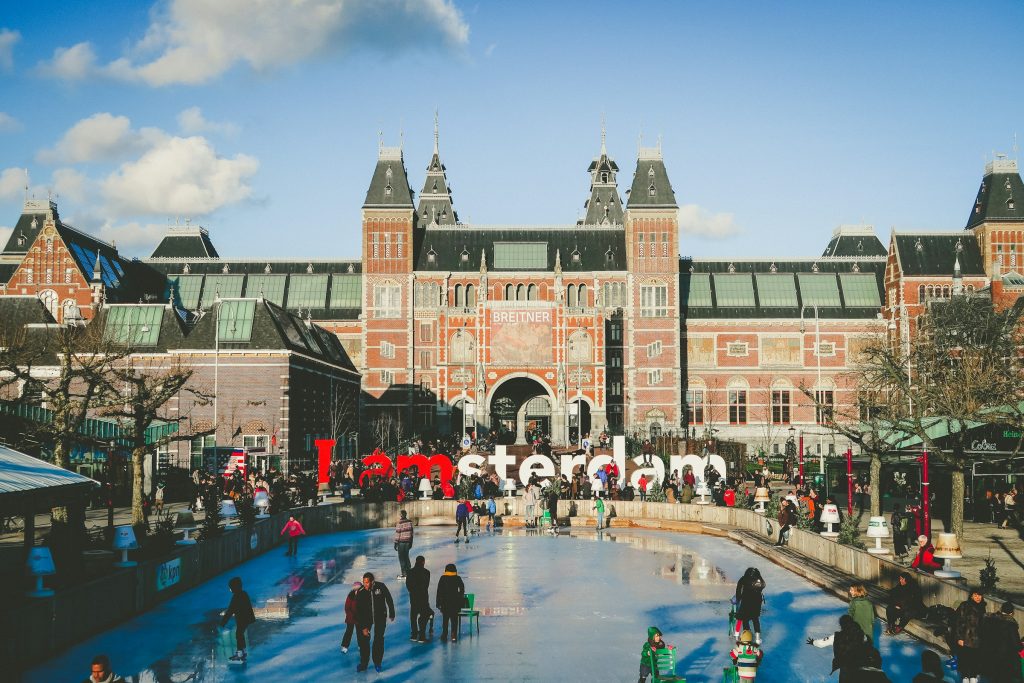
In Amsterdam, a city pass does not always make sense. The I Amsterdam City Card is more worth it when you actually have a packed itinerary: the card gives access to 70+ museums and attractions, includes unlimited GVB public transport, one canal cruise, and 24 hours of bike rental. But if your plan only includes 1-2 paid sights, it is usually better value to buy tickets separately and not overpay for a bundle of options you will not have time to use.
With free days and hours in Amsterdam, it is better not to rely on assumptions: major museums do not have some universal rule like “everyone gets in free in the evening,” and these things need to be checked case by case. For example, the Van Gogh Museum sells tickets online only with a timed entry slot, and on Fridays during the period from March to September 2026 the museum stays open until 21:00, but that does not mean free admission. The Rijksmuseum is open daily from 9:00 to 17:00; admission is free there for visitors under 18. At the Stedelijk Museum, free entry applies to children and teenagers under 19, and at the Amsterdam Museum — to visitors under 18. So for a budget trip, the main practical principle is to check the conditions of each specific museum in advance, rather than count on mythical “free hours for everyone.”
Here are 8 ideas for budget-friendly sightseeing without feeling like you are cutting back all the time:
- A walk along the canals and through the old center — the basic free Amsterdam classic; part of the city really works as open-air sightseeing.
- The free ferry to Amsterdam Noord — one of the most useful budget moves in the city: both the transport itself and the ride already feel like part of the experience. GVB ferries are free, run frequently, and one of the most popular routes goes to Buiksloterweg.
- NDSM Wharf — a good option if you want a more alternative side of Amsterdam: street art, industrial atmosphere, waterfront walks, and creative spaces. It is reached by the same free ferry.
- A’DAM Lookout — not free by default, but it can be good value if you are already getting the I amsterdam City Card, because entry is included.
- Rijksmuseum — not a budget sight “by default,” but worth it if you want at least one major classic museum; for visitors under 18, admission is free.
- Van Gogh Museum — worth booking only if it is genuinely part of your plan; tickets need to be bought online in advance because entry is by timed slot. This is exactly the kind of place where spontaneity often becomes more expensive or simply breaks your route.
- Stedelijk Museum — a good stop for those more interested in modern art; entry is free for visitors under 19.
- Free small museums and art spaces — Amsterdam really does have them, and the official city guide has a separate roundup of such places; for example, in the NDSM area, Nieuw Dakota is free for everyone on the last Thursday of the month. This is less of a “first-time must-see” and more of a useful bonus for travelers who want some culture without big ticket costs.
For how to visit Amsterdam on a budget, the logic here is simple: do not try to “cover everything,” but choose 1 major museum + free districts and walks, or consciously take a city pass for a packed schedule. Tourists overpay most often when they keep adding expensive museums by inertia, fail to book time slots in advance, and do not check what is actually included in the pass.
Ready-Made Budget Itineraries
1-Day Plan
If you only have one day in Amsterdam, the most convenient budget route is the center + Amsterdam Noord. It is best to spend the morning in the old center and walking along the canals: this is the free part of the plan that gives you the main first impression of the city. After that, it is easy to head to Central Station and take the free ferry to Noord.
In the second half of the day, you can choose between two scenarios: either add one paid stop, or keep the day almost fully budget-friendly and go to NDSM Wharf for a walk, street art, and the waterfront atmosphere. This plan works well because it does not require extra transfers and does not push you to spend money just for the sake of ticking something off.
3-Day Plan
For a 3-day trip, Amsterdam is easier to divide by districts, rather than by a long must-see list. The most practical setup is to give one day to the center and the canals, the second to Museumplein and De Pijp, and the third to Amsterdam Noord / NDSM. This makes the route clearer, and the costs are easier to keep under control.
Day 1 — the old center, canals, Jordaan, and a mostly low-cost walking day in Amsterdam.
Day 2 — the main museum day: this is the best place to put Rijksmuseum, Van Gogh Museum, or one other priority paid stop, and then continue to De Pijp and Albert Cuypmarkt.
Day 3 — Noord or NDSM: free ferry, a more relaxed rhythm, walks by the water, and minimal necessary spending.
The most practical logic here is simple: do not make every day a paid day. In most cases, the better structure is 1 museum day + 2 days for districts, canals, ferries, and walks.
Typical Mistakes That Make People Overpay
- Staying in the most touristy part of the center.
It may seem more convenient, but in practice the center is almost always noticeably more expensive. In Amsterdam, it is often better value to stay slightly outside it and still reach the key areas easily. - Taking taxis where the city is easy to cover on foot and by public transport.
Amsterdam works very well with a combination of walking + tram / metro / ferry, so taxis here are often an unnecessary expense rather than a real need. - Going from Schiphol by expensive transfer instead of train or bus.
The airport is well connected to the city by public transport, so overpaying for a taxi or private transfer is often not justified at all. - Buying museum tickets at the last minute.
In Amsterdam, popular places are better planned in advance: spontaneous booking not only feels more expensive, but can also disrupt your route simply because the convenient time slots are gone. - Getting a city pass “just in case.”
A pass only makes sense with a packed itinerary. If you only have 1-2 paid stops, separate tickets are often the more sensible option. - Eating only in tourist-heavy areas.
This is exactly how the budget starts leaking without you noticing: coffee, snacks, and simple lunches in the busiest zones quickly add up to an unpleasant total. - Choosing accommodation by a pretty point on the map instead of actual logistics.
In Amsterdam, it matters less to “stay as close as possible to the postcard view” and more to have a convenient connection to a tram, metro, or free ferry. - Making every day of the trip a paid day.
In Amsterdam, the better structure is usually one museum day + walking days through the canals, neighbourhoods, and Noord. That way, the city feels easier, and the budget stays under control.
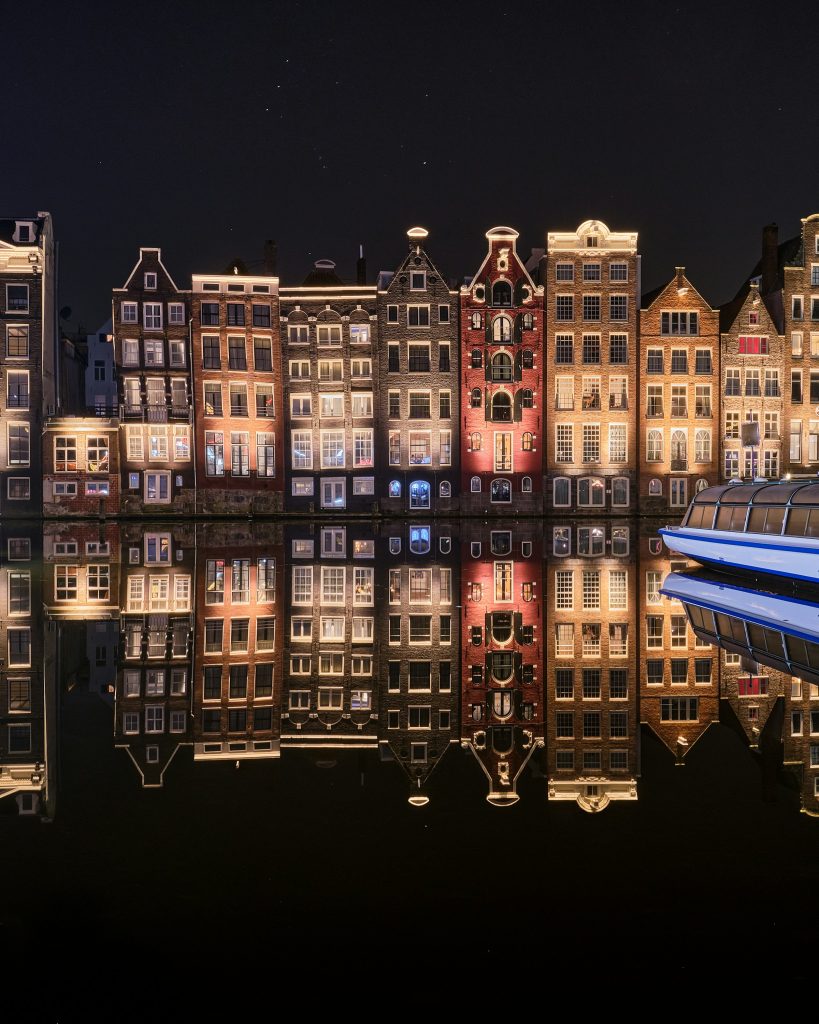
The easiest way to save money in Amsterdam is not to overpay for accommodation in the center, to walk as much as possible, to use public transport only where it is genuinely needed, and not to turn every day into a lineup of paid museums. The city tourist tax remains high, so accommodation is usually the part that inflates the total trip budget the most.
For a short trip, the best approach is usually simple: one day for a museum or another priority paid attraction, and the rest for canals, neighbourhoods, markets, and Amsterdam Noord with the free ferry. That way, Amsterdam on a budget does not feel “cut back” — it just feels well planned.