Madeira in a Bag: The Best Souvenirs You Can’t Miss

If you’re wondering what to bring back from Madeira, this guide covers the best souvenir ideas that travelers actually buy and happily carry home. From edible treats and local crafts to authentic regional specialties, these are not random tourist trinkets, they’re meaningful, practical, and truly connected to the island. Whether it’s your first visit or a return trip, knowing what souvenirs to buy in Madeira can make your experience even more memorable.
At the same time, there are a few important nuances worth knowing before you start shopping. Some products are widely available but vary greatly in quality. Others may have customs restrictions, limited transport rules, or better prices in specific locations. Understanding where to shop, how to choose authentic items, and what’s realistically worth packing in your suitcase will save you time, money, and unnecessary stress. In this article, you’ll find carefully selected ideas and practical tips to help you bring home something truly special from Madeira without regrets later.
Madeira Souvenir Cheat Sheet
A quick overview of what to bring back from Madeira. Just the essentials.
Best edible souvenirs
- Madeira Wine – iconic fortified wine
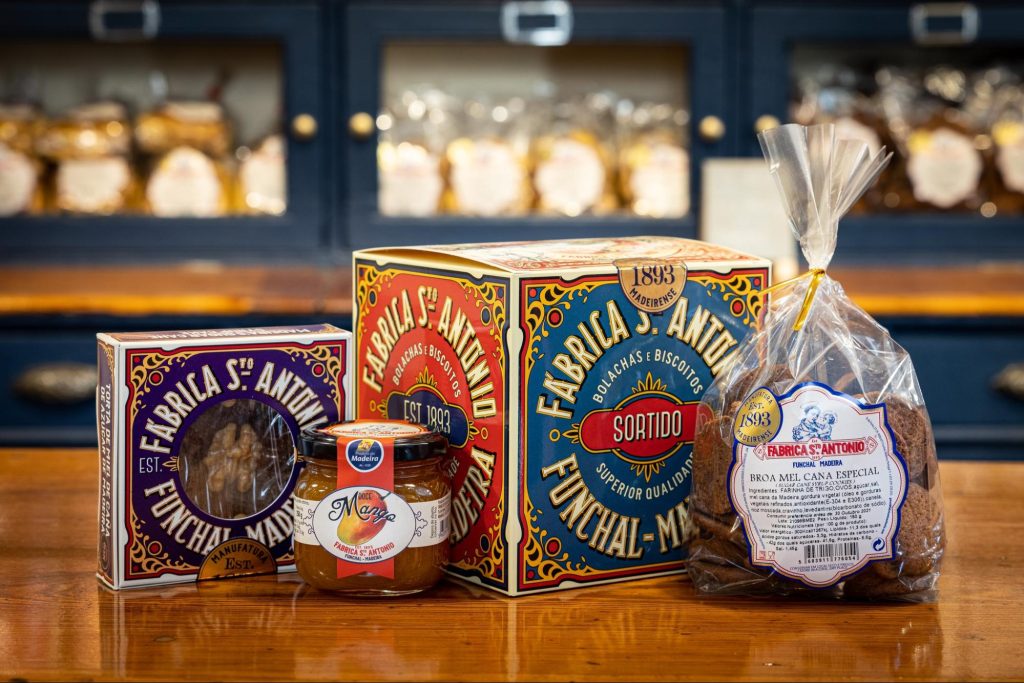
- Bolo de Mel – traditional honey cake
- Passion fruit jam or liqueur – local tropical flavor
Best non-edible souvenirs
- Madeira Embroidery – handmade textile art
- Wicker basket from Camacha – traditional craft
Best gift for colleagues
- Mini Madeira Wine bottles
- Passion fruit sweets
Best budget souvenir
- Local sea salt
What to buy last minute or at the airport
- Madeira Wine
- Packaged Bolo de Mel
What is better not to buy
- Cheap imported “Madeira” trinkets

Top 3 Souvenirs to Bring Back from Madeira
If you are trying to decide what to bring back from Madeira and want something truly authentic, it makes sense to focus on the island’s most iconic products. These are not random tourist items but souvenirs deeply connected to Madeira’s history, craftsmanship, and culinary traditions. They are recognizable, meaningful, and genuinely representative of the region.
Below are the three most traditional and popular choices. Later, we will look at each of them in more detail, including practical tips on how to choose the best quality and where to buy them.
Madeira Wine
Why it’s traditional/popular: The island’s most famous product and a symbol of Madeira for centuries. It is exported worldwide and strongly associated with local identity.
Approximate price: Medium to expensive
Where to buy: Specialized wine shops, wineries, tasting rooms in Funchal
How to pack: Checked baggage recommended; glass bottle, risk of breakage, protective wrapping needed
Cristiano Ronaldo T-Shirt
Why it’s traditional/popular: Madeira is the birthplace of Cristiano Ronaldo, and Ronaldo-themed merchandise is one of the island’s most recognizable modern souvenirs. It connects your trip to Madeira’s most famous native and is especially popular among football fans.
Approximate price: Around €15–€70 depending on quality, print, and whether it’s official CR7 merchandise.
Where to buy: Gift shops in Funchal, stores near the CR7 Museum, shopping centers, and tourist areas.
How to pack: Easy to pack in carry-on or checked baggage; fold neatly to avoid wrinkles.
Bolo de Mel (Madeira Honey Cake)
Why it’s traditional/popular: A centuries-old traditional cake made with sugarcane honey and spices, closely tied to Madeiran culinary heritage.
Approximate price: Cheap to medium
Where to buy: Bakeries, local food shops, markets
How to pack: Carry-on or checked baggage; long shelf life, no special packaging required
If you’re exploring what souvenirs to buy in Madeira, these three are the most authentic starting point. Next, we can expand each one with detailed buying tips and insider advice.
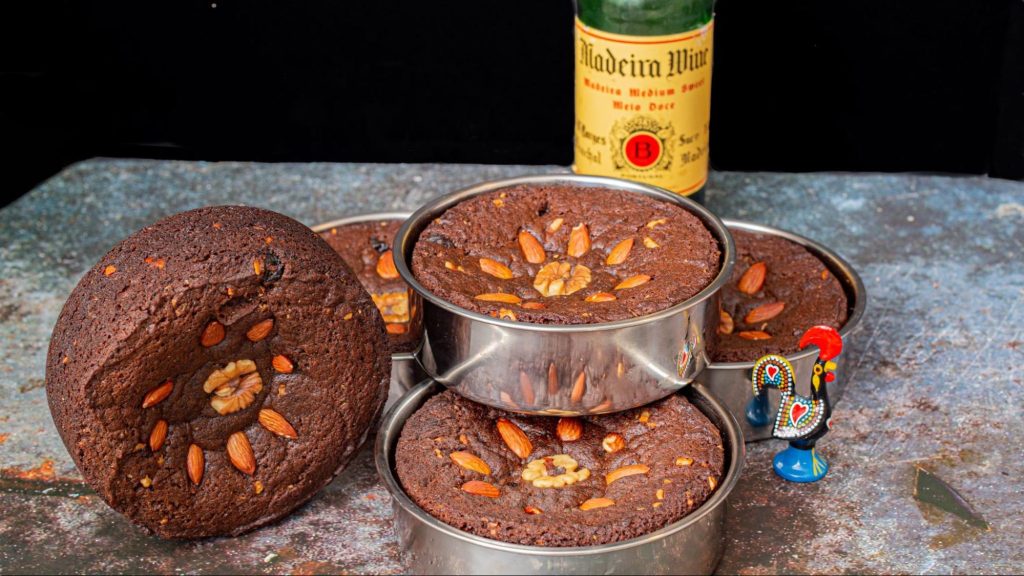
What Edible Souvenirs Should You Bring Back from Madeira?
In terms of food, the island offers far more than just one famous product. Madeira’s cuisine is shaped by sugarcane, tropical fruits, Atlantic salt air, and centuries of maritime trade. Below are some of the best edible souvenirs that are genuinely local and worth packing in your suitcase.
Passion Fruit Jam
Why it’s worth buying: Madeira grows several varieties of passion fruit, and the flavor is one of the island’s signatures. It feels more distinctive than standard fruit preserves.
How to store/transport: Jams should go in checked baggage due to liquid rules. Wrap glass jars well. Liqueur must be packed like wine.
Sugarcane Honey (Mel de Cana)
Why it’s worth buying: Not regular bee honey but a dark sugarcane syrup historically used in local baking. It is essential to traditional Madeiran desserts.
How to store/transport: Treated as liquid, so place in checked luggage. Ensure the lid is tightly sealed and use protective wrapping.
Madeiran Sea Salt
Why it’s worth buying: Harvested from Atlantic salt pans, it reflects the island’s maritime character and is often sold in small artisanal packages.
How to store/transport: Easy to carry in hand luggage. Keep dry and sealed.
Traditional Queijadas
Why it’s worth buying: Small sweet cheese pastries linked to Portuguese convent traditions but popular on Madeira. They are a nice alternative to cake.
How to store/transport: Best consumed within a few days. Keep in carry-on and avoid crushing.
Banana Products (Banana Jam or Sweets)
Why it’s worth buying: Madeira bananas are smaller and sweeter than standard varieties. Processed banana sweets capture that local agricultural identity.
How to store/transport: Jams in checked luggage. Candies can go in hand luggage.
These edible souvenirs are among the most authentic answers to what souvenirs to buy in Madeira, especially if you want to bring home flavors that truly belong to the island. Next, we can move on to non-edible traditional crafts and handmade products.

Sip the Flavors of Madeira: Wines, Spirits, and Local Drinks
When you think about the drinks from Madeira, the island offers a mix of iconic fortified wine, traditional sugarcane spirits, vibrant liqueurs, and unique soft drinks. These beverages are deeply tied to Madeira’s history, agriculture, and culture, and many make excellent gifts or keepsakes from your trip.
Madeira Fortified Wine
Madeira’s fortified wine is the region’s most internationally recognized drink. Produced on the island for centuries, this wine undergoes a unique heating and aging process that gives it rich, complex flavors ranging from dry to very sweet.
Examples to try:
- Blandy’s Madeira – classic traditional producer with a wide range of styles.
- D’Oliveiras Madeira – another respected name with historic roots, ideal for tasting before buying (tasting available in Funchal).
This wine is perfect for gifting or savoring at home and is widely available at wine shops and tourist stores across the island.
Madeira Rum (Aguardente de Cana)
Madeira’s rum is distilled from sugarcane juice and reflects the island’s long history with sugarcane agriculture. Quality ranges from young, vibrant rums to more aged and aromatic variants.
Examples to try:
- Rum from Engenhos do Norte – local distillery in the north of the island producing classic cane spirit.
- William Hinton Rum – traditional rum with deep local roots and distinct flavor.
Rum can be enjoyed on its own or used as a base for traditional cocktails like poncha.
Poncha & Fruit Liqueurs
Poncha is Madeira’s most iconic mixed drink, traditionally made with sugarcane spirit, honey or sugar, and fresh citrus juice (often lemon or orange). There are also bottled poncha‑style liqueurs that capture this flavor for travel and gifting.
Examples to try:
- Poncha da Madeira PGI – traditional bottled poncha with passion fruit or citrus flavor.
- Local artisanal fruit liqueurs – often found at markets and small shops, made from passion fruit or other island fruits.
These are excellent gifts and give a taste of authentic Madeiran flavors without needing bar preparation.
Madeiran Soft Drinks (Non‑Alcoholic)
Madeira has a heritage of unique non‑alcoholic drinks that make fun, easy souvenirs, especially for non‑drinkers or kids.
Popular choices:
- Brisa Maracujá – passion fruit soda produced locally and deeply associated with Madeira’s fruit culture.
- Laranjada – traditional orange soda with a long history on the island.
These soft drinks capture local fruit flavors and are often found in supermarkets and souvenir shops.
How to Pack and Transport Drinks from Madeira
When flying, liquids are subject to airport security rules: containers over 100 ml usually cannot be taken in hand luggage. Therefore:
- Wine, rum, and liqueurs: Pack these in checked baggage with protective wrapping (wine sleeves, bubble wrap, clothing padding) as they are glass bottles and can break if unprotected.
- Airport purchases after security: If you buy drinks at duty‑free shops after security, you can carry them in hand luggage in sealed bags (check airline rules, especially with connecting flights).
- Soft drinks: Small bottles can sometimes be taken in hand luggage if they meet liquid limits, but checked baggage is simpler.
Whether you choose fortified wine, traditional rum, bottled poncha, or local sodas like Brisa, these beverages are among the best souvenirs that truly reflect Madeira’s flavors and drinking culture.
Which Traditional Madeiran Crafts Are Worth Bringing Home?
Madeira is not just about stunning landscapes and delicious food, the island also has a rich heritage of handmade crafts and traditional products. From delicate embroidery to skillfully woven wicker and decorative ceramics, these items are more than souvenirs: they are pieces of local culture that carry centuries of artisanal knowledge. Choosing authentic crafts ensures you bring home something meaningful, rather than a mass-produced imitation.
Here’s a breakdown of the main categories and some examples:
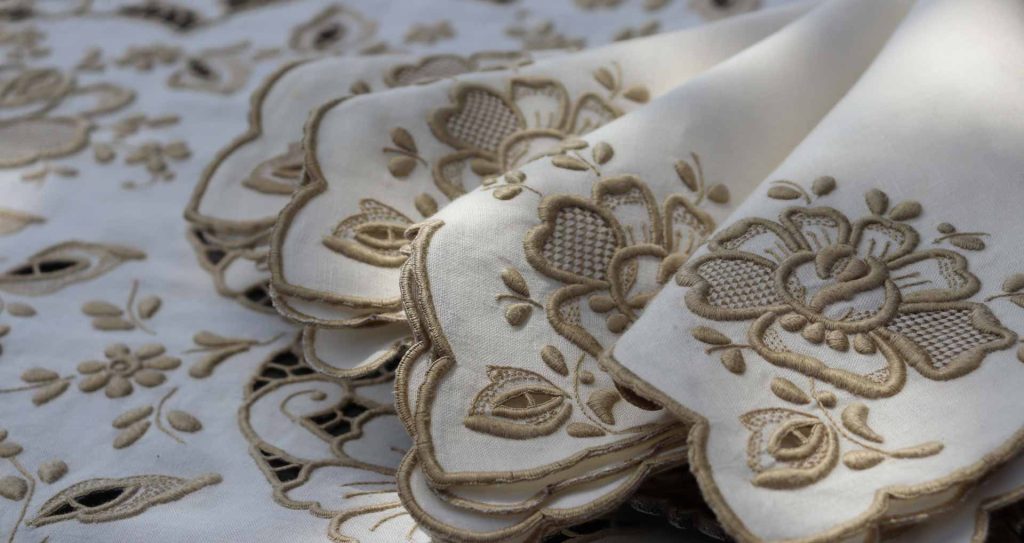
Madeira Embroidery
Delicate hand-stitched linens and textiles are a hallmark of Madeiran craftsmanship. This includes tablecloths, napkins, handkerchiefs, and decorative items.
Examples:
- Small embroidered handkerchiefs (easy to pack, affordable)
- Table linens with intricate floral patterns (higher quality, best bought in certified shops)
How to spot authenticity: Look for labels indicating certified Madeiran embroidery, tight and even stitches, and natural fabrics like linen or cotton. Avoid cheap, synthetic imitations sold at generic souvenir stalls.
Wicker and Wooden Crafts
The village of Camacha is famous for its traditional wickerwork and woodcraft. Items range from functional baskets to decorative objects and small furniture.
Examples:
- Handwoven baskets of various sizes
- Wooden kitchen utensils or carved figurines
How to spot authenticity: Genuine pieces have consistent weaving, natural materials, and are often heavier than mass-produced versions. Workshops often mark products with the artisan’s signature.
Ceramics and Glass
Madeira produces colorful decorative ceramics and hand-blown glass items that reflect Portuguese and island aesthetics.
Examples:
- Small decorative tiles or coasters
- Hand-blown glass ornaments or vases
How to spot authenticity: Look for fine, even glazing on ceramics and smooth, uniform shaping on glass. Avoid pieces that feel too light, rough, or uneven – these are usually cheap imitations.
Jewelry and Accessories
Local artisans create jewelry inspired by nature and the island’s history, often using seeds, shells, or silver.
Examples:
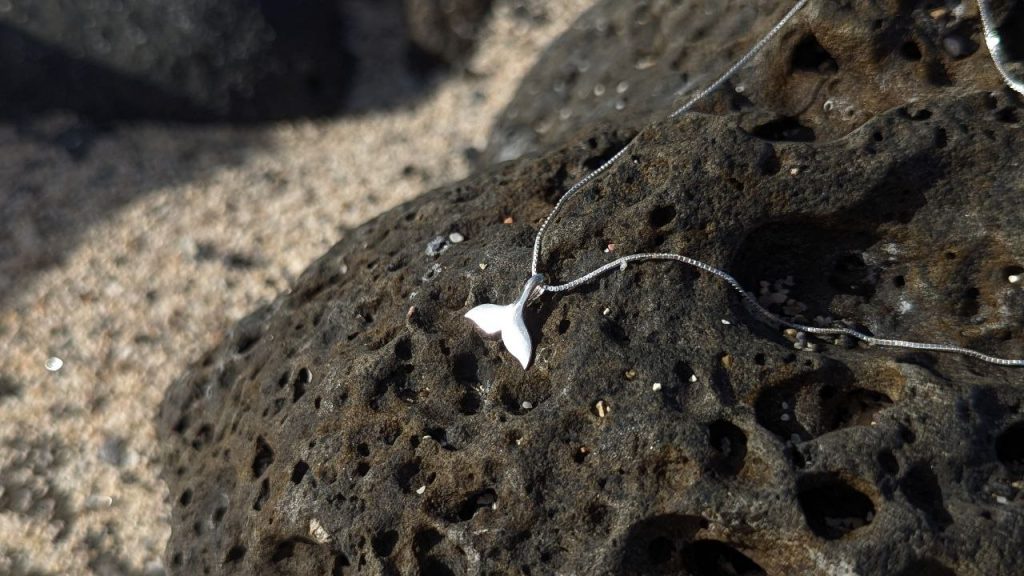
- Necklaces and bracelets with local volcanic stones
- Silver pendants and earrings featuring traditional designs
How to spot authenticity: Genuine pieces are finely finished, use natural materials, and often come with a certificate or small artisan tag.
These handmade and traditional crafts are perfect for anyone looking to take home a tangible piece of Madeira. By choosing certified, well-crafted items, you ensure your souvenirs reflect the island’s culture and artistry, not just generic tourist products.
Madeiran Beauty and Wellness: What Products Reflect the Island?
Madeira isn’t just famous for its scenery and food, the island also produces natural beauty and wellness products that draw on its lush flora and clean Atlantic environment. These items are genuinely associated with Madeira and make thoughtful souvenirs for anyone interested in skincare, aromatherapy, or self-care.
Aloe Vera Products
Aloe vera grows abundantly on Madeira, and local creams, gels, and lotions take advantage of its natural soothing and moisturizing properties.
Why it’s special: Pure, locally grown aloe is used in face creams, after-sun lotions, and body gels that capture the island’s natural wellness heritage.
Where to buy: Local pharmacies, beauty boutiques, and health food stores in Funchal.
Madeira Flower-Based Skincare
Madeira’s flowers, such as lavender, camellia, and passion fruit, are infused into soaps, oils, and lotions.
Why it’s special: These products are scented and enriched with island-grown botanicals, providing a natural fragrance and gentle care.
Where to buy: Artisan markets, specialized cosmetic shops, and souvenir stores.
Sugarcane and Honey Soaps
Leveraging the island’s traditional sugarcane and honey production, these soaps offer gentle exfoliation and moisturizing effects.
Why it’s special: They combine natural ingredients unique to Madeira and traditional recipes for body care.
Where to buy: Local soap shops, farmers’ markets, and organic stores.
These Madeiran beauty products are distinctive because they rely on local plants, natural ingredients, and artisanal preparation. Unlike generic mass-market cosmetics, they reflect the island’s natural wealth and make gifts that are both practical and meaningful.

Who Will Love These Madeiran Souvenirs?
Wondering what souvenirs to bring back from Madeira for everyone on your list? Here’s a more concrete guide with authentic and memorable options for each group.
For Family
Ideal for relatives who enjoy meaningful, high-quality gifts:
- A bottle of Blandy’s 10-Year-Old Madeira Wine
- Bolo de Mel with nuts or spices (traditional honey cake)
- Madeira embroidery table linens or handkerchiefs
- Hand-painted ceramic plates or mugs
- Local artisan jams (passion fruit or banana flavor)
For Friends
Fun, distinctive, and representative of the island:
- Poncha liqueur (bottled passion fruit or lemon)
- Camacha wicker coasters or small baskets
- Hand-blown glass figurines (like dolphins or tropical birds)
- Tropical fruit chocolates or candied fruits
- Mini bottles of sugarcane rum (Aguardente de Cana)
For Colleagues
Compact, affordable, and easy to pack gifts:
- Mini bottles of Madeira Wine
- Artisan soaps made with sugarcane honey
- Local sea salt in decorative jars
- Small embroidered handkerchiefs or napkins
- Packaged traditional sweets (Queijadas or honey biscuits)
For Children
Safe, lightweight, and enjoyable souvenirs:
- Brisa Maracujá or Laranjada soft drinks
- Madeira fruit candies (banana, passion fruit)
- Small ceramic animals or decorative figurines
- Mini wicker toys (boats, animals)
- Colorful postcards or stickers featuring local scenery
The Best Places to Hunt for Souvenirs in Madeira
Knowing where to shop for souvenirs in Madeira can save you time, money, and disappointment. Each type of store has its pros and cons, so here’s a practical guide with concrete recommendations.
Markets
Pros: You can find a variety of local products in one place, and haggling is sometimes possible.
Cons: Many items are mass-produced tourist versions, so quality can vary.
Where to go:
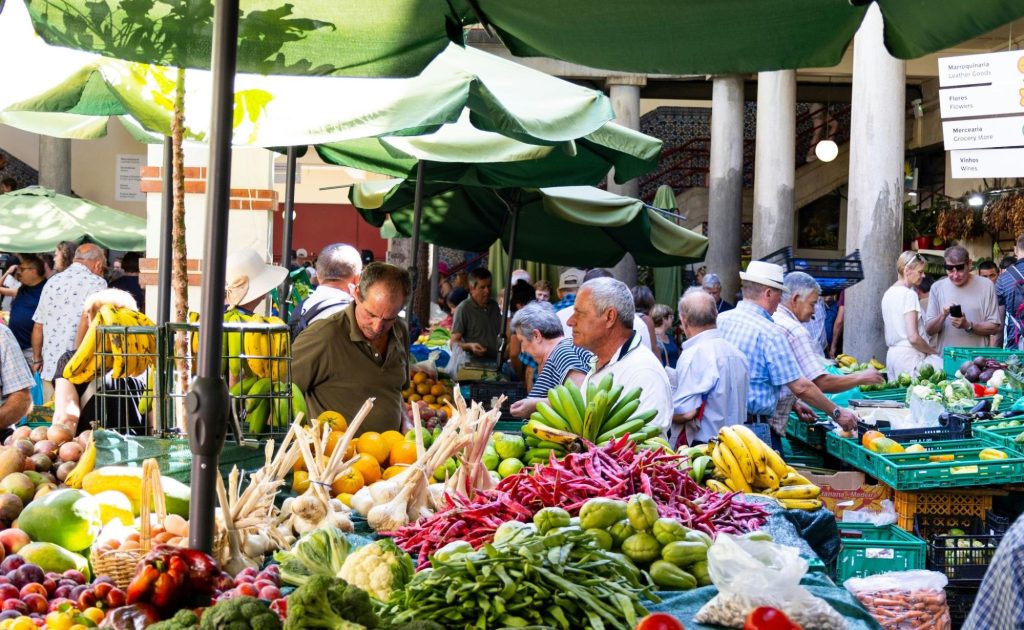
- Mercado dos Lavradores (Funchal) – fresh local produce, honey, jams, Madeira wine, and crafts. Good for edible souvenirs and flowers.
- Saturday or seasonal craft markets – small, temporary markets often featuring handmade products.
Specialized Shops
Pros: Higher quality, carefully curated products, and expert advice.
Cons: Usually more expensive than markets.
Examples:
- Blandy’s Wine Lodge (Funchal) – top Madeira wines and tasting experiences.
- Loja de Bordados (Madeira Embroidery Shops) – certified embroidery, linens, and decorative pieces.
- Armazém do Mercado – local gourmet food and artisanal products.
Supermarkets
Pros: Convenient, reliable, and good for food souvenirs like sweets, honey, jams, or soft drinks.
Cons: Less selection for crafts, jewelry, or premium wine.
Examples: Pingo Doce, Continente, Spar – good for Bolo de Mel, Brisa Maracujá, Laranjada, and packaged Madeira wine for gifts.
Workshops and Local Brands
Pros: The best option for authentic crafts, handmade ceramics, woodwork, wicker, and jewelry. You often meet the artisan directly.
Cons: Can be more expensive, but you get quality and uniqueness.
Where to go:
- Camacha – famous for wickerwork and wood crafts.
- Artisan glass studios in Funchal – hand-blown glass ornaments and vases.
- Local soap and cosmetic workshops – produce aloe vera creams, floral soaps, and honey-based skincare.
Airport Shops
Pros: Convenient for last-minute gifts and liquids that comply with duty-free rules.
Cons: Prices are often higher than in town, and selection is limited.
What to buy: Small bottles of Madeira wine, liqueurs, packaged sweets.
What to avoid: Handicrafts, ceramics, or larger items, they are usually overpriced and bulky.
Shopping smart in Madeira means mixing these options: get food and small souvenirs at markets or supermarkets, crafts at workshops or specialized shops, and last-minute items at the airport if needed. This way, you’ll bring home authentic, high-quality souvenirs without overspending.
How to Choose Authentic Madeiran Souvenirs
Bringing home souvenirs from Madeira is exciting, but it’s easy to end up with low-quality imitations if you don’t know what to look for. Here are practical tips to help you choose genuine Madeiran products and avoid wasting money or encountering legal issues.
Price Isn’t Everything, But Beware of “Too Cheap”
If handcrafted items like embroidery, wicker, or ceramics are significantly cheaper than usual, it’s often a mass-produced imitation. Authentic Madeiran crafts have time, skill, and quality materials behind them.
Check Labels and Certification
Look for Madeira embroidery certification, artisan signatures, or shop branding. For products like wine, liqueurs, and cosmetics, check that they clearly indicate Madeira as the origin.
Food Safety and Shelf Life
For edible souvenirs (Bolo de Mel, jams, honey, or soft drinks), verify the expiration date, sealing, and packaging integrity. A well-sealed product indicates it will survive transport and stay fresh.
Inspect Glass and Ceramics
For hand-blown glass or ceramic souvenirs, check for chips, cracks, or uneven thickness. Ensure the item is carefully packaged before purchase if you plan to travel with it.
Avoid Questionable Natural Items
Avoid buying raw corals, shells from protected species, or fossils collected from beaches, as many of these items are illegal to export from Madeira. Instead, choose certified artisan products or local volcanic stones, which are safe and fully legal to bring home.
Check Cosmetic and Skincare Products
For Madeiran products like aloe vera creams, soaps, liqueurs, or jams, always check the ingredient list, expiration date, and country of origin. This helps ensure that what you’re buying is genuinely from Madeira and not a cheaper imitation produced elsewhere. Labels should clearly indicate “Made in Madeira” or a certified local producer.
Ask for Local Advice
Shopkeepers in certified craft shops or wineries are usually happy to explain authenticity, production methods, and provenance. Asking questions can prevent buying imitations.
Following these tips ensures your souvenirs from Madeira are authentic, high-quality, and memorable, representing the island’s rich culture rather than generic tourist trinkets.
How to Bring Your Madeiran Treasures Home Safely
Bringing souvenirs home from Madeira can be tricky if you don’t plan properly. Here are practical tips to pack and transport different types of items safely.
For liquids like Madeira wine, liqueurs, or Poncha, use sealed plastic bags, double-bag if possible, and wrap bottles carefully to prevent leaks. Fragile items such as ceramics, glass ornaments, or hand-blown bottles should be cushioned with bubble wrap, towels, or clothing to absorb shocks during travel.
Edible souvenirs like Bolo de Mel, jams, or soft drinks should be packed airtight and placed in your checked luggage or a sturdy container to avoid spills and odors.
In general, checked baggage is best for heavier or fragile items, while smaller, solid souvenirs that comply with airline rules can go in your hand luggage. Planning ahead ensures your Madeiran treasures arrive home intact and ready to enjoy.
What Souvenirs from Madeira Should You Definitely Leave Behind?
When shopping for souvenirs on Madeira, it’s important to know which items can cause trouble or simply aren’t authentic. Here’s a more detailed breakdown:
- Raw coral or shells from protected species – Collecting or buying these from beaches may be illegal, and customs can confiscate them. Only certified artisan replicas or resin-made items are safe.
- Fresh plants or seeds from local gardens – Madeira has unique flora, but exporting live plants or seeds is strictly regulated and often prohibited. Even small quantities can be stopped at customs.
- Unpackaged liquids or homemade liqueurs without labeling – Homemade wines, Poncha, or other spirits sold informally may not meet transport rules or customs requirements. Always buy bottles with proper labeling and seals.
- Cheap imitations of Madeiran embroidery, wickerwork, or ceramics – Low-quality versions are often mass-produced outside the island and do not reflect authentic craftsmanship. Look for certified or artisan-made items instead.
- Branded products sold as local but made elsewhere – Some souvenirs claim to be “Madeira-made” but are imported. Check the country of origin or artisan certification to ensure authenticity.
Following these tips will help you bring home authentic, legal, and high-quality Madeiran souvenirs without problems.
Take a Piece of Madeira Home
Souvenirs are more than just gifts or keepsakes, they are a way to carry the spirit of Madeira with you. From the rich flavors of honey cake and Madeira wine to the delicate craftsmanship of embroidery, wicker, and ceramics, every item tells a story of the island’s culture, nature, and people. Thoughtful choices and careful packing let you bring home memories that last long after your trip ends, so you can relive the colors, tastes, and textures of Madeira every day.